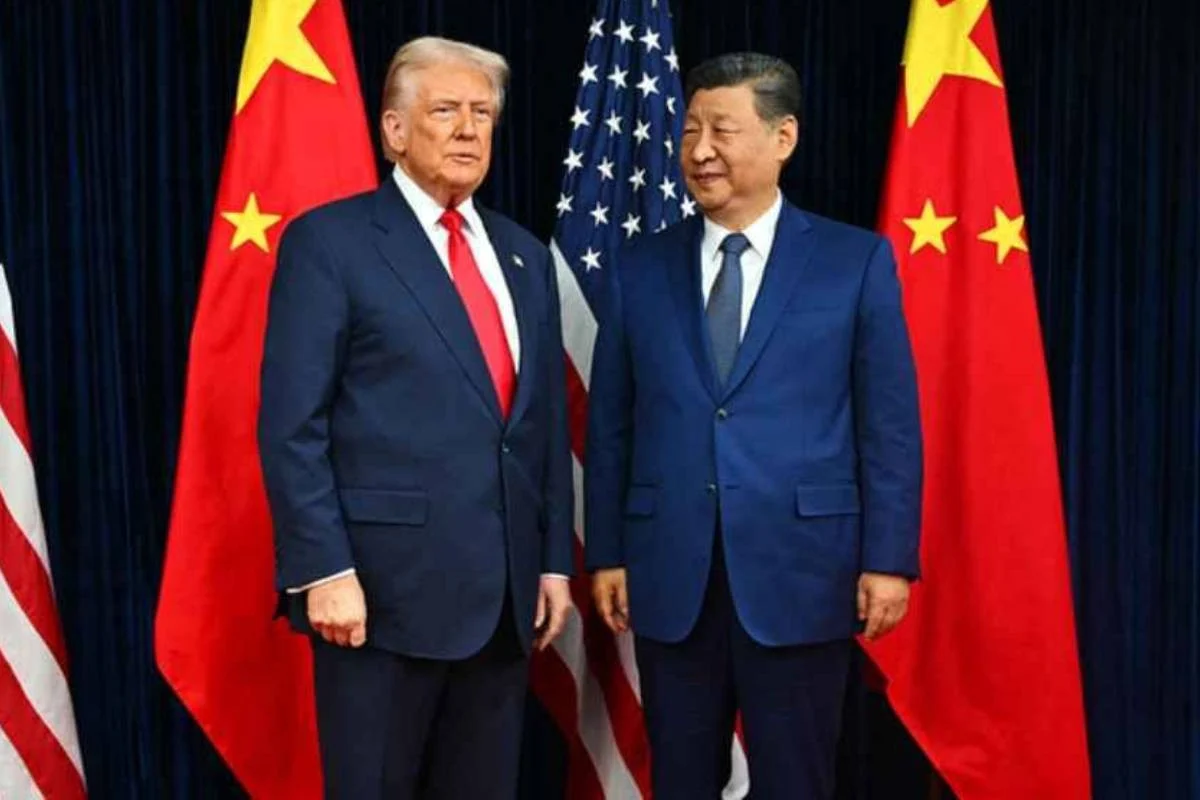
Trump’s visit his first trip to China since 2017 includes high-level meetings with Chinese President Xi Jinping on Thursday and Friday. The schedule also features a state banquet, official receptions and closed-door discussions expected to focus on trade, security and global conflicts.
The summit comes as tensions continue to grow over Taiwan, trade tariffs and China’s control of rare earth mineral exports, which are important for global technology and manufacturing industries. The United States has repeatedly criticised China’s trade practices, while Beijing has strongly opposed American military support for Taiwan.
Security across Beijing was heavily increased ahead of the visit. Police officers were deployed at key locations across the city, while passengers at subway stations underwent strict identification checks.
Many Chinese citizens followed the visit closely, hoping it could improve relations between the two powerful nations.
“It’s definitely a big moment,” said Wen Wen, a visitor from Nanjing. She expressed hope that both countries could work together to maintain peace during a period of global uncertainty.
Trade remains one of the biggest issues between the two nations. Although both countries agreed to a temporary pause in their tariff dispute during Trump and Xi’s last meeting in South Korea, disagreements have continued.
China’s large trade surplus with the United States has long frustrated Trump, who introduced heavy tariffs on Chinese goods during his first term in office. Analysts say the current talks could determine whether tensions ease or worsen in the coming months.
The White House confirmed that several major American business leaders joined Trump during the visit, including Tesla CEO Elon Musk and Apple CEO Tim Cook. Their presence highlights the importance of economic cooperation between the two countries despite ongoing political disputes.
China is also facing serious economic challenges at home. Weak consumer spending and a long-running property debt crisis continue to slow growth, increasing pressure on Chinese leaders to stabilise the economy and maintain investor confidence.
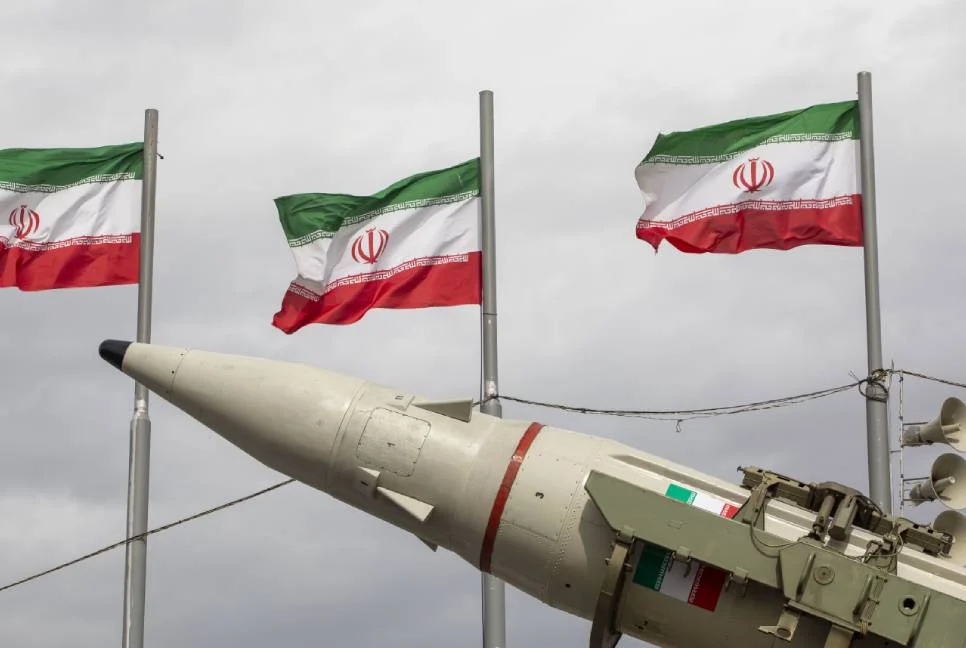
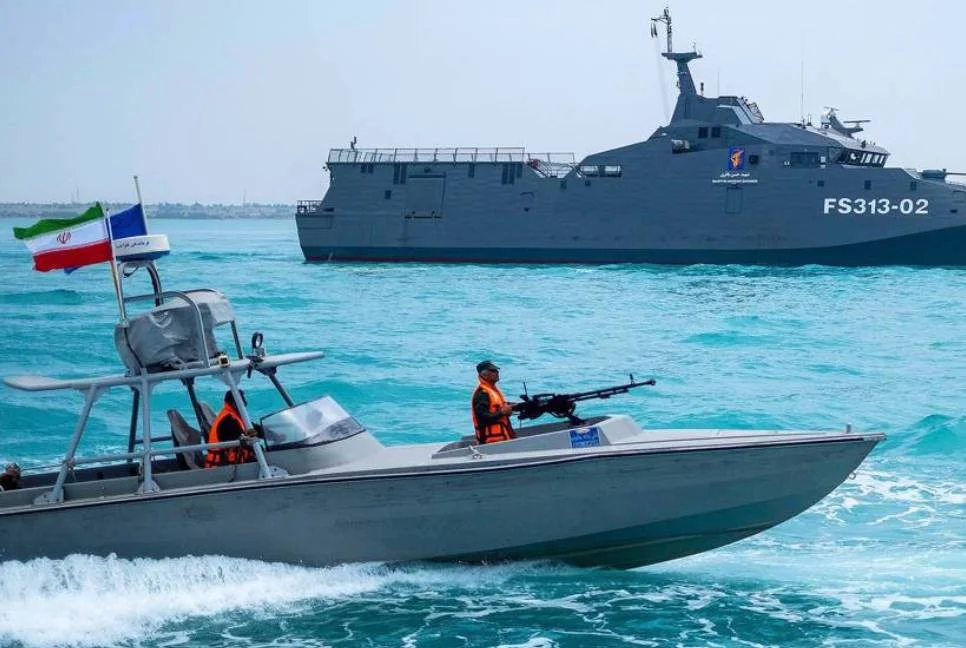
Another major topic expected to dominate discussions is the ongoing conflict involving Iran. The war, launched by the United States and Israel earlier this year, has disrupted shipping routes through the Strait of Hormuz and increased fears of wider instability in the Middle East.
China remains one of the biggest buyers of Iranian oil despite American sanctions. Earlier this week, the US Treasury Department announced sanctions against several individuals and companies accused of helping transport Iranian oil to China through Hong Kong-based networks.
China quickly condemned the sanctions, with foreign ministry spokesman Guo Jiakun accusing Washington of using “illegal unilateral sanctions. ”
Taiwan is also expected to remain one of the most sensitive issues during the summit. Beijing views the self-ruled island as part of its territory and has repeatedly criticised American arms sales and military cooperation with Taipei.
Speaking before the visit, Trump said he believed his relationship with Xi could help prevent conflict.
“I think we’ll be fine,” Trump told reporters. “I have a very good relationship with President Xi. He knows I don’t want that to happen. ”
Political analysts say the Beijing summit could become one of the most important diplomatic meetings of the year, with the potential to influence global trade, regional security and international relations far beyond China and the United States.