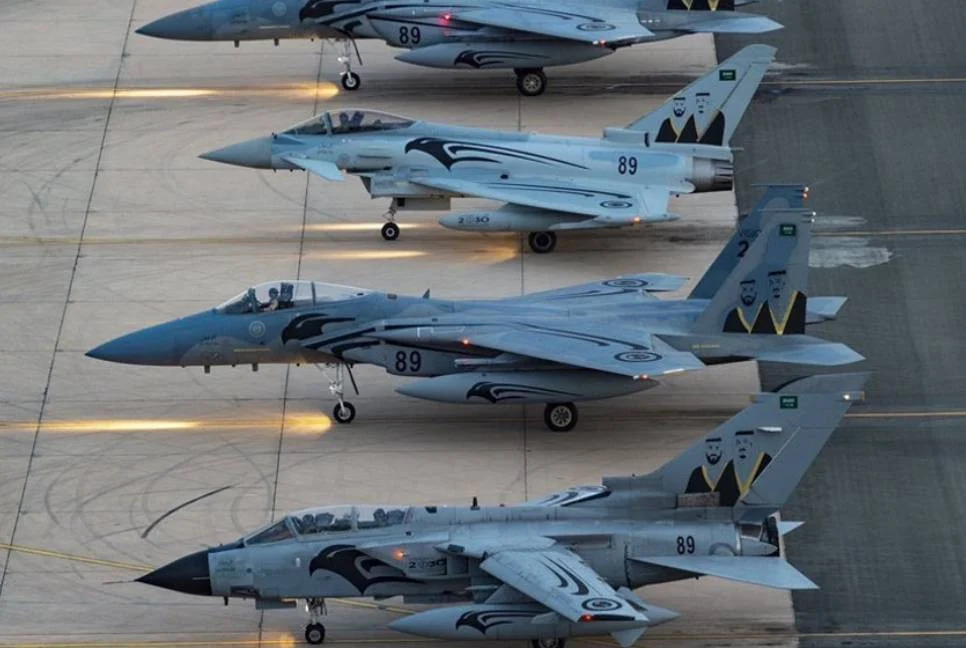
If confirmed, the operations would mark the first publicly known case of Saudi Arabia directly launching military attacks on Iranian territory a dramatic escalation in the long-running rivalry between the two regional powers.
The reported strikes took place in late March during a wider Middle East conflict that intensified after US and Israeli attacks on Iran in February. The war quickly spread across the region, raising fears of a broader confrontation involving Gulf nations.
According to Reuters, Saudi Arabia launched the covert operations after coming under pressure from repeated attacks linked to Iran during the conflict.
Sources familiar with the matter said Riyadh later informed Tehran about the strikes through diplomatic channels, warning that more attacks could follow if Iranian operations continued.
The backchannel communication reportedly helped reduce tensions between the two countries and opened the door for urgent discussions aimed at preventing a wider regional war.
The report comes shortly after separate claims published by The Wall Street Journal alleged that the United Arab Emirates also carried out covert airstrikes on Iran in April. The newspaper reported that one strike targeted an oil refinery on Iran’s Lavan Island in the Persian Gulf, causing a large fire and temporarily disrupting production.
The UAE has not officially confirmed the alleged operation.
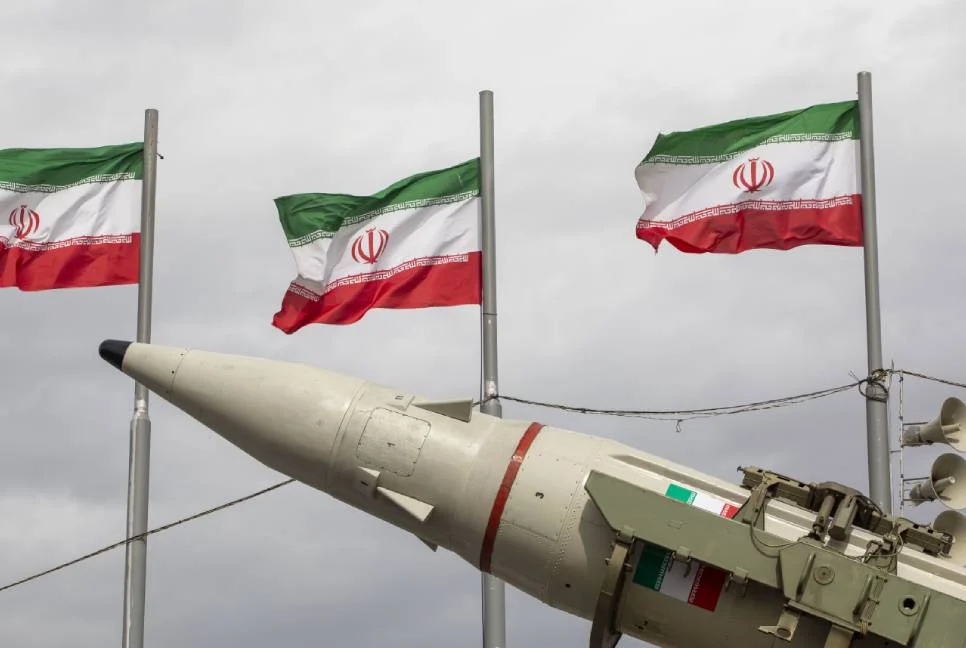
Iran later acknowledged that the refinery had been struck by what it described as an enemy attack. In response, Tehran reportedly launched missile and drone attacks targeting sites in the UAE and Kuwait.
Security analysts say the alleged Saudi and Emirati operations could signal a major shift in Gulf strategy toward Iran. For years, Gulf countries mainly relied on diplomatic pressure, economic measures and support from Western allies to counter Tehran’s influence.
However, recent attacks on Gulf infrastructure and economic interests appear to have pushed some regional governments toward a more aggressive military posture.
Officials quoted in the reports said the conflict has already caused serious economic damage across the Gulf region. Tourism, aviation and property markets in the UAE were reportedly affected after Iran launched waves of missiles and drones during the fighting.
The growing tensions have also raised concerns about stability in global energy markets, especially as the Persian Gulf remains one of the world’s most important oil shipping routes.
Despite the reports, neither Saudi Arabia nor Iran has publicly confirmed the alleged covert strikes. Analysts believe both sides may prefer quiet diplomacy over public confrontation to avoid triggering another dangerous escalation in the region.
Still, the reports have exposed how close the Middle East came to a broader regional war and how rapidly tensions between Gulf states and Iran continue to evolve behind closed doors.