Military affairs analyst Yona Jeremy Bob said claims that Iran’s missile threat had “significantly decreased” may create a false picture of why the conflict began in the first place. According to him, there has been confusion over what intelligence agencies, military officials, and political leaders actually mean when discussing Iran’s missile capabilities.
Bob explained that Israeli military leaders believed Iran was rapidly increasing its missile stockpile at a pace that could soon overwhelm Israel’s defense systems. He said the war was launched mainly to weaken Iran’s ability to fire large numbers of ballistic missiles in the future.
According to the report, Israeli Chief of Staff Eyal Zamir warned top American military officials that delaying action against Iran could become dangerous.
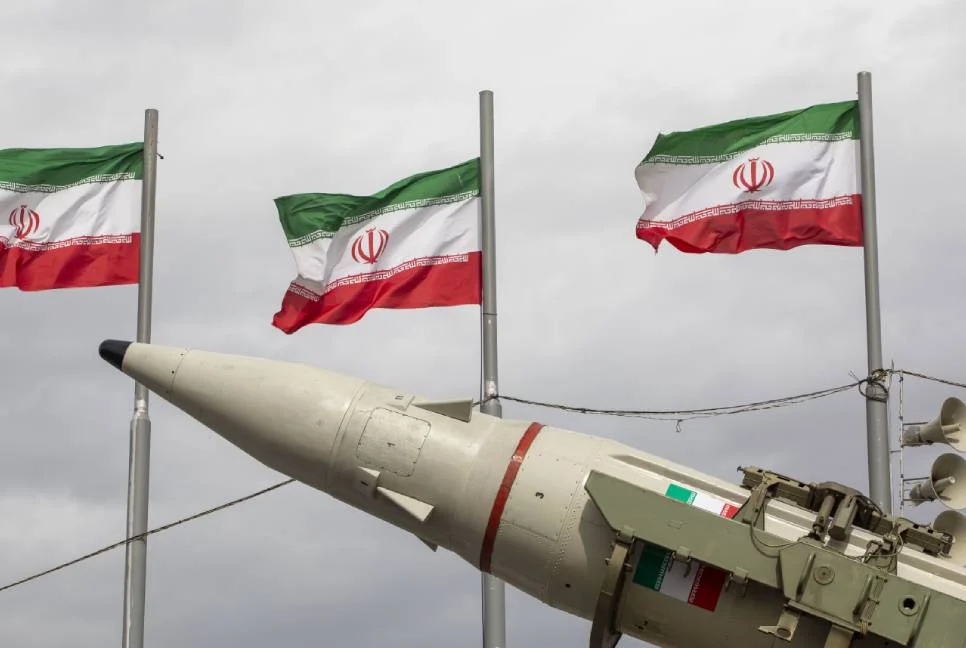
Zamir reportedly argued that Iran was producing between 200 and 300 ballistic missiles every month and rebuilding launch systems faster than expected.
At the time, Iran was believed to possess around 2,500 missiles. Israeli military estimates suggested that waiting another six months could push that number to nearly 4,000, while a one-year delay might allow Iran to build more than 6,000 missiles.
Israeli officials feared such numbers could place huge pressure on the country’s air defense systems and lead to shortages of interceptor missiles during future attacks.
The report also noted that Israel’s original military timeline had planned for action against Iran’s missile program sometime between June and November 2026. However, Zamir reportedly insisted that Iran’s military progress was accelerating too quickly to wait.
Bob added that the war was never designed to completely remove Iran’s missile threat. Instead, the goal was to reduce Iran’s current missile power and delay its ability to build enough weapons to seriously challenge Israeli defenses in the coming years.
He also pointed out that the nuclear issue was not the main focus during the conflict, noting that many nuclear facilities had already been damaged previously and were not heavily targeted during the war.
The report highlights growing concerns inside Israeli military circles that Iran’s expanding missile program could eventually create what officials describe as an “existential threat” if left unchecked.