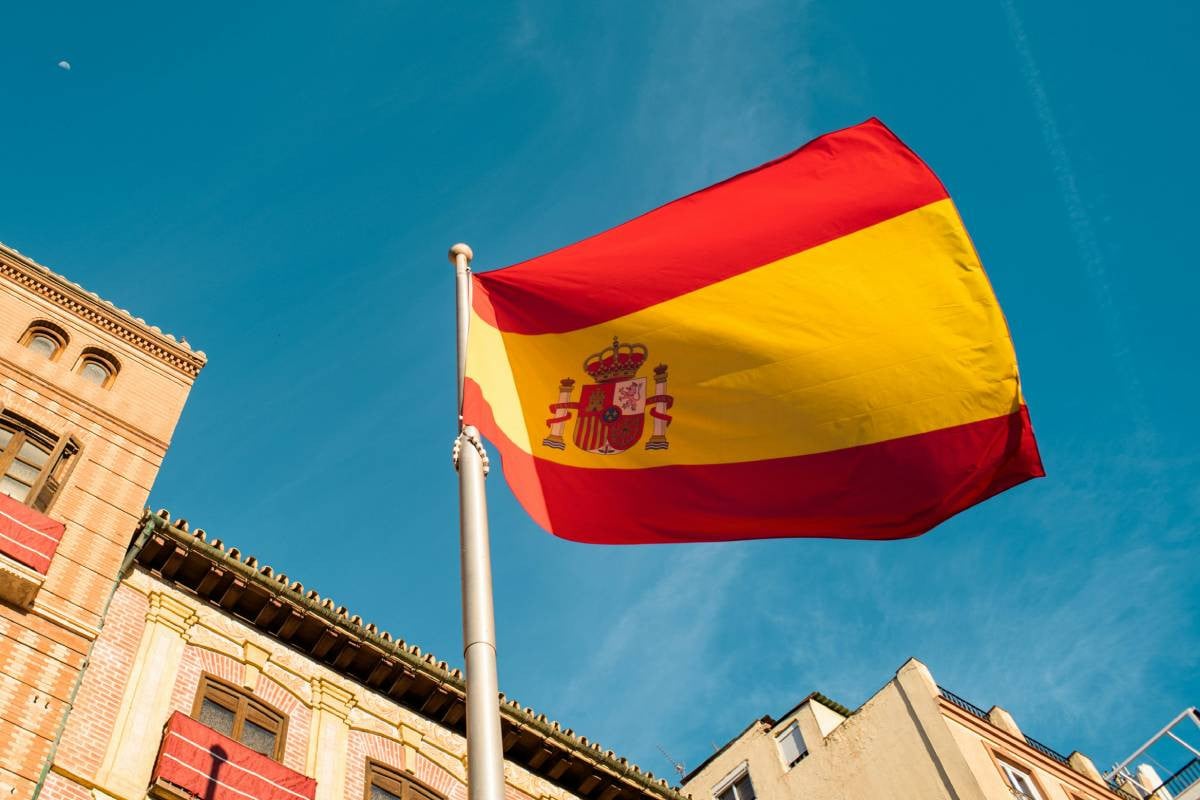
Spain has taken a firm stand in the ongoing Iran conflict by closing its airspace to United States military aircraft involved in related operations, a move that is likely to deepen tensions with Washington.
Defence Minister Margarita Robles announced the decision on Monday, making it clear that Spain will not support military actions tied to the war.
Speaking to reporters in Madrid, she stated that the government would not allow the use of its airspace or military bases for any operations connected to the conflict.
“We do not authorize the use of either military bases or airspace for actions related to the war in Iran,” Robles said, underlining Spain’s strong position.
This decision goes further than earlier restrictions, where Spain had already denied US forces access to shared military bases.
By extending the ban to its airspace, US military aircraft will now be forced to find alternative routes when heading toward the Middle East, unless there is an emergency.
The move was first reported by local newspaper El Pais, which cited military sources familiar with the development.
Spain’s Economy Minister, Carlos Cuerpo, said the decision reflects the country’s broader policy of not taking part in what it considers a one-sided war that goes against international law.
While he admitted the move could affect relations with the United States, he stressed that Spain remains committed to its principles.
Prime Minister Pedro Sanchez has been one of the strongest critics of recent US and Israeli strikes on Iran.
He has previously described the attacks as “reckless” and “illegal,” signaling Spain’s clear opposition to the military actions.
The decision is expected to strain ties between Madrid and Washington.
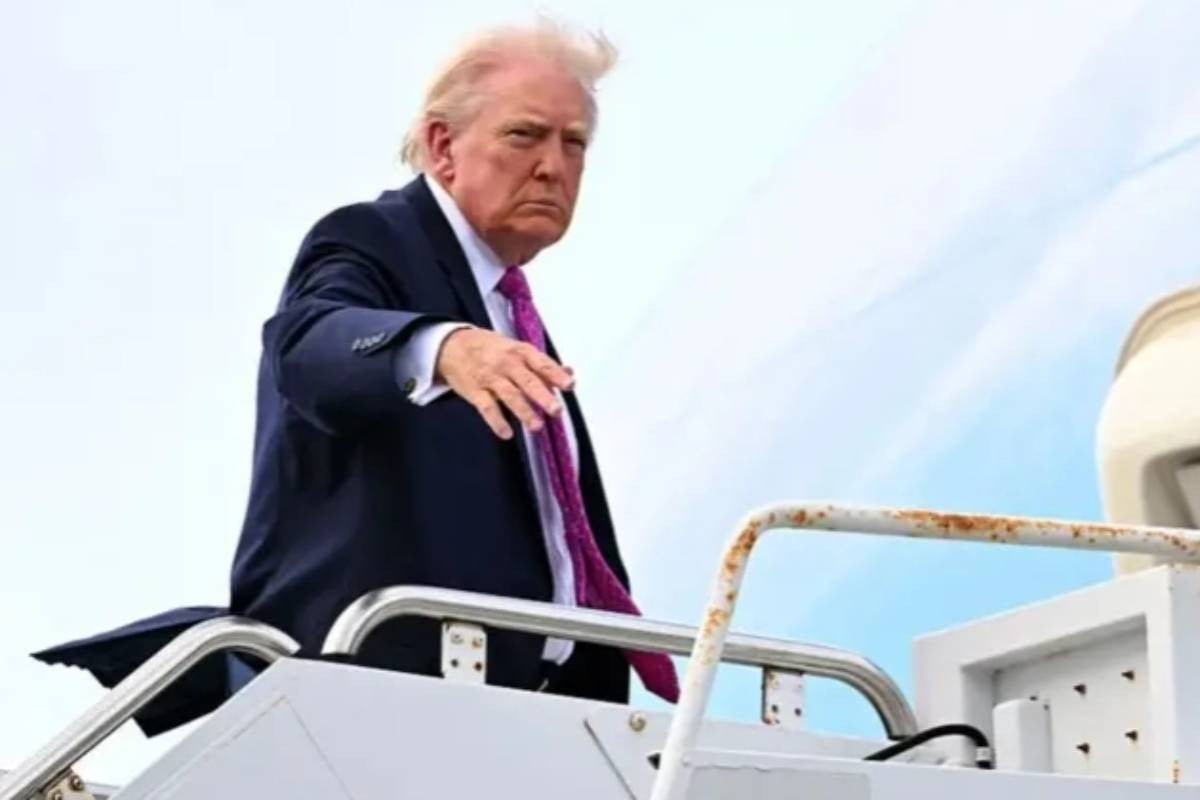
US President Donald Trump has already warned that there could be trade consequences after Spain refused to allow the use of its bases and airspace for operations linked to the conflict.
As the situation develops, Spain’s stance highlights growing divisions among Western allies over how to respond to the Iran crisis, raising questions about the future of international cooperation in the region.
.