Efforts to limit the authority of Donald Trump to wage war against Iran have once again failed in the US Senate, highlighting deep political divisions over America’s role in the ongoing conflict
In a closely watched vote, senators rejected the resolution by a margin of 47 to 52.
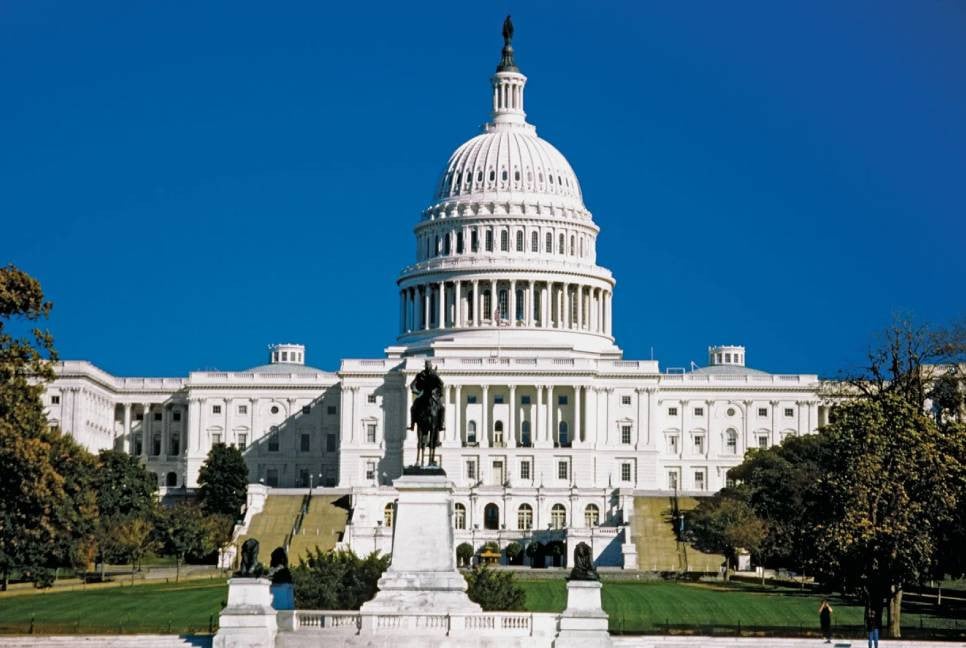
The measure aimed to reassert Congress’s constitutional power to decide when the United States goes to war
Despite repeated attempts, this marks the fourth time such a proposal has been blocked.
Supporters say they will continue to bring it forward, promising weekly votes to keep pressure on lawmakers
The vote comes at a sensitive moment.
The United States and Iran recently agreed to a temporary two-week ceasefire, offering a brief pause in tensions
However, follow-up talks in Islamabad failed to secure a longer-term agreement, leaving the situation uncertain
Both sides have signaled willingness to return to the negotiating table, but no clear path forward has emerged
Before the ceasefire, tensions had reached a dangerous peak
President Trump had issued strong warnings, including threats to strike civilian infrastructure in Iran.
One statement in particular—warning that an entire civilization could be wiped out—sparked alarm and intensified calls for Congress to step in
At the heart of the debate is a fundamental question: who has the authority to take the nation to war? The US Constitution gives that power to Congress, allowing the president to act alone only in cases of immediate self-defense.
Critics argue that the administration’s decision to join military action alongside Israel on February 28 went beyond those limits
The Trump administration has defended its actions, claiming that Iran’s long history of hostility—dating back to the 1979 revolution—constitutes an ongoing and imminent threat
Opposition voices in the Senate have been vocal.
Senator Chris Murphy described the conflict as poorly handled and costly, both in financial terms and human lives.
He criticized what he called a lack of transparency from the administration and accused Republican leaders of failing to provide proper oversight
Murphy pointed to the broader consequences, noting that the war has already claimed American lives, drained billions of dollars, and contributed to instability across the Middle East and beyond.
He argued that Congress has a duty to act, not remain silent
On the other side, Senator Jim Risch defended the president’s actions, insisting that Trump is fulfilling his responsibility to protect the country
He dismissed the resolution as repetitive and unnecessary, arguing that it would weaken the president’s position during a time of conflict
The divide was not entirely along party lines.
Republican Senator Rand Paul broke ranks to support the resolution, while Democrat John Fetterman voted against it
Attention now turns to the House of Representatives, where a similar measure is expected to be debated
Some analysts believe it may have a better chance of passing there, especially as concerns about the war grow among lawmakers from both parties
Even if approved by both chambers, the resolution would face a major hurdle.
President Trump could veto it, and overturning such a veto would require a two-thirds majority in Congress a threshold widely seen as difficult to reach
A more critical test may come soon, Under the War Powers Act of 1973, Congress must approve continued military action once it reaches 60 days.
Without that approval, the president would be legally required to begin withdrawing US forces, unless a short extension is granted
As that deadline approaches, the question remains: will Congress step in, or will the balance of power remain firmly in the hands of the president?
Credit: Al Jazeera.