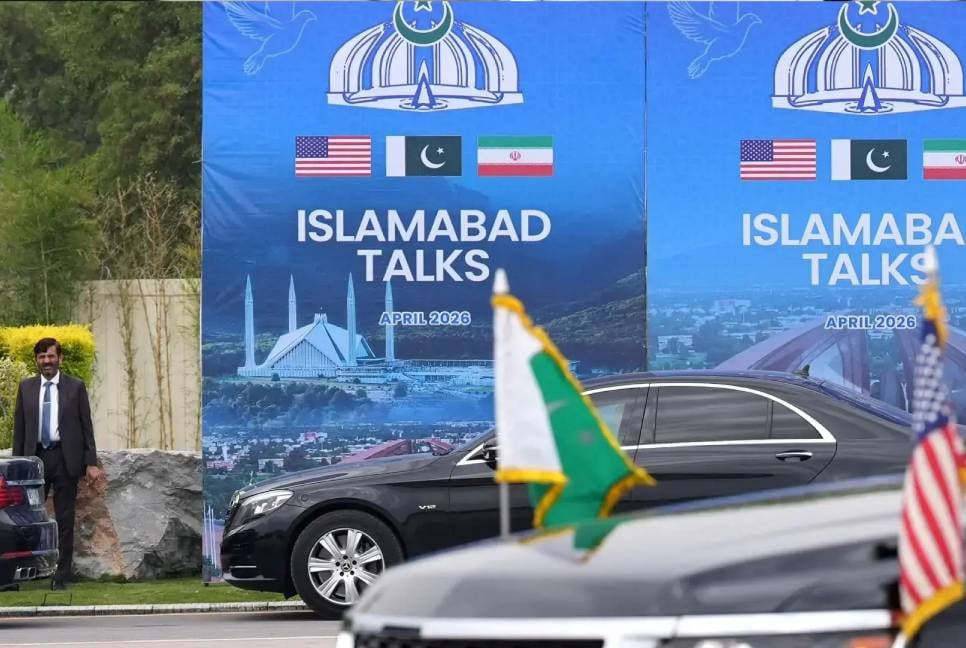
Diplomatic talks in Islamabad have taken on global importance as key international players gather to resolve two deeply sensitive issues: a ceasefire in Lebanon and the release of long-frozen Iranian assets.
With tensions already high, the outcome of these discussions could either ease regional instability—or push it further toward confrontation.
At the heart of the negotiations lies a complex balancing act.
Both sides have entered the talks with very different goals, yet there is growing pressure to find common ground.
Observers say that without meaningful progress on the ceasefire and financial disputes, the talks risk collapsing into a deadlock.
The atmosphere in Islamabad remains uncertain and fast-changing.
Behind closed doors, diplomats are working to bridge a significant trust gap that has long hindered progress.
This lack of confidence has only deepened following recent remarks by the US president, who warned that failure in diplomacy could lead to a military response.
Such statements have raised concerns and added urgency to the negotiations.
For Iran, one of the main conditions is clear: an immediate halt to the ongoing fighting in Lebanon, where Israeli strikes continue.
Tehran views a ceasefire as essential before any broader agreement can move forward.
At the same time, the issue of frozen Iranian assets—amounting to billions of dollars held since 1979—has resurfaced as a critical point.
There are indications that the United States may be open to releasing some of these funds, a move that could help build trust and unlock further progress.
Adding another layer to the talks is the presence of US Vice President JD Vance.
Seen by some as a more neutral figure, Vance has previously expressed skepticism about foreign military involvement.
His role in these discussions is being closely watched, as he may help steer negotiations toward a more diplomatic outcome.
As the world watches, one question remains: can these deeply divided sides find enough common ground to move forward, or will long-standing mistrust once again stand in the way of peace?
Source: Al Jazeera.