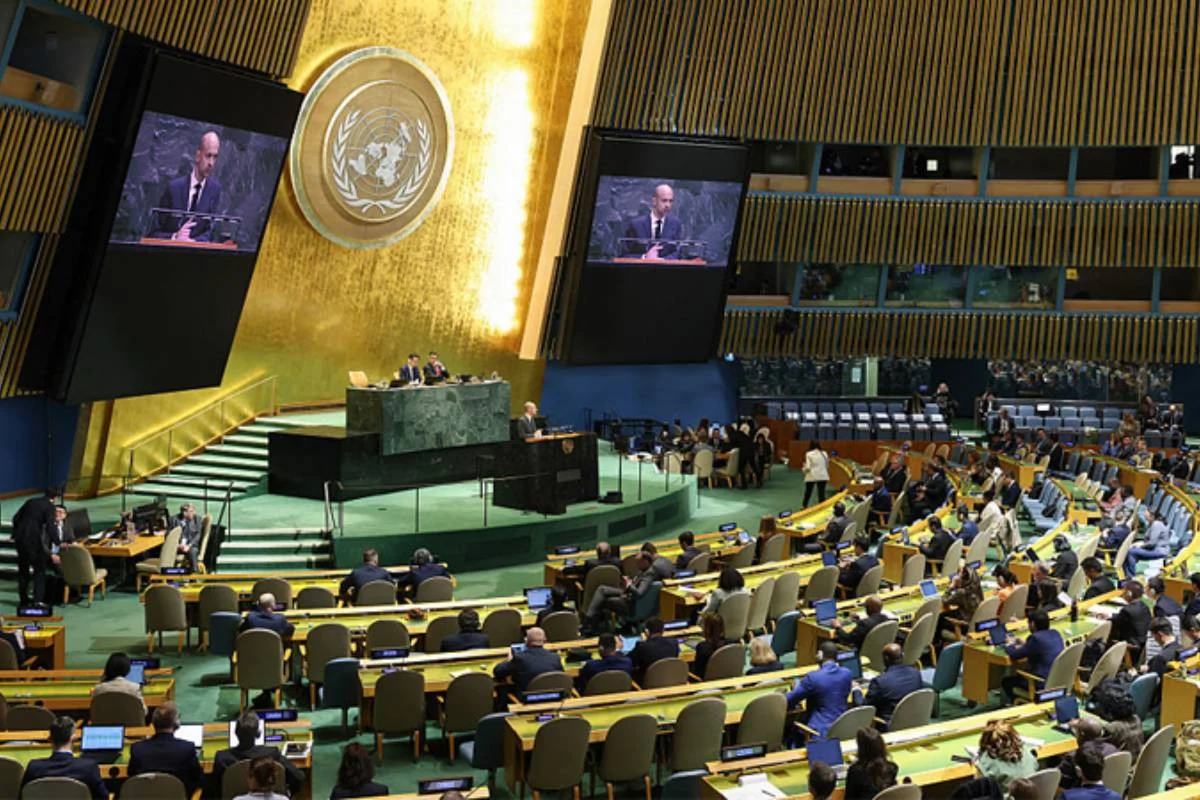
Delegates had gathered to review the Nuclear Non-Proliferation Treaty (NPT), the world’s main agreement designed to stop the spread of nuclear weapons and encourage countries to reduce their stockpiles.
However, deep disagreements between nuclear-armed nations and non-nuclear states prevented negotiators from approving a final document.
Conference president Do Hung Viet of Vietnam confirmed the collapse of the talks after several rounds of discussions failed to bridge differences among member states.
“Despite our best efforts, the conference is not in a position to achieve agreement on its substantive work,” Viet said while closing the meeting.
This marks the third straight NPT review conference to end without a consensus, following similar failures in 2015 and 2022.
Negotiators spent weeks adjusting the draft document in an attempt to win support from all parties. Several strong statements were softened or removed completely as countries disagreed over issues involving Iran, North Korea and future arms control commitments.
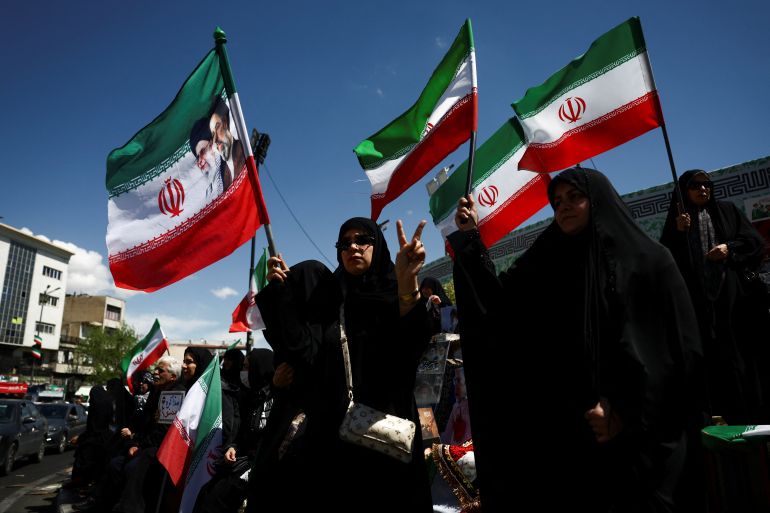
Early drafts reportedly accused Iran of failing to meet its obligations, but the final version only stated that Tehran should “never” develop nuclear weapons. References to North Korea’s nuclear activities and calls for the denuclearization of the Korean Peninsula were also removed.
The draft further avoided direct calls for the United States and Russia to negotiate a replacement for the New START treaty, which expired earlier this year. The agreement had placed limits on the world’s two biggest nuclear arsenals.
Security analysts warned that repeated failures to reach agreements could weaken confidence in the NPT process at a time when many countries are modernizing and expanding their nuclear capabilities.
Richard Gowan of the International Crisis Group said the negotiations struggled to reflect the current global security situation and the growing concerns around nuclear weapons.
Meanwhile, anti-nuclear campaigners accused major powers of slowing down efforts aimed at disarmament.
Seth Shelden of the International Campaign to Abolish Nuclear Weapons (ICAN) said most countries remained committed to reducing nuclear weapons, but a few nuclear-armed states were frustrating progress.
According to the Stockholm International Peace Research Institute (SIPRI), the world’s nine nuclear-armed countries possessed an estimated 12,241 nuclear warheads as of January 2025. About 90 percent of them belong to the United States and Russia.
The Nuclear Non-Proliferation Treaty came into force in 1970 and remains one of the most widely supported international agreements. Almost every country in the world is part of the treaty, except India, Pakistan and Israel.