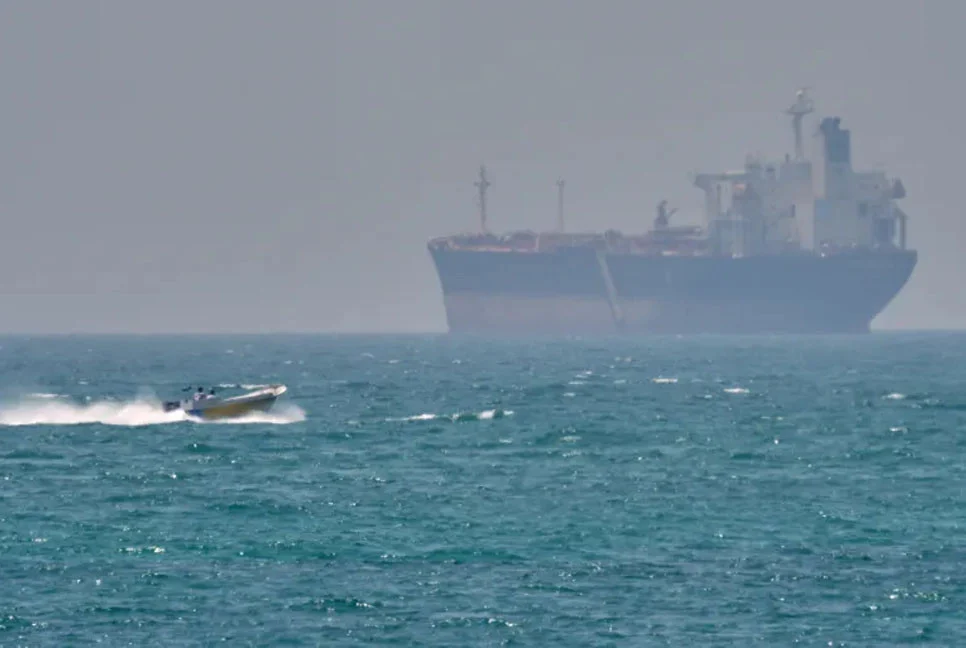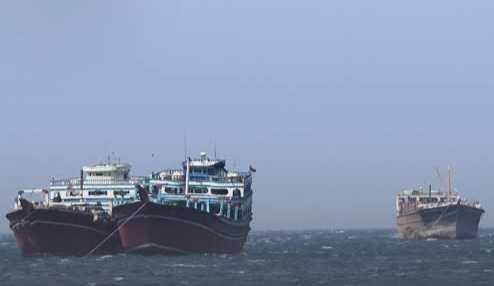
According to Iran’s Tasnim News Agency, Brigadier General Akrami Nia said any country supporting sanctions against Iran would “definitely face difficulties” in the strategic waterway.
The senior military official also said Iran had emerged stronger after the recent conflict involving the United States and Israel. He claimed that none of the goals of Iran’s opponents were achieved during the war.
“Instead, unity and cohesion inside the country became stronger,” Akrami Nia said, pointing to continued public support seen in gatherings and street demonstrations across Iran.
He explained that during the current ceasefire period, Iran has focused on improving its military readiness.
According to him, the armed forces strengthened their capabilities, updated military targets, and reviewed both defensive and offensive positions.
Akrami Nia further stated that Iran held the advantage both in the battlefield and in negotiations. He argued that Iran’s enemies eventually accepted a ceasefire after realizing they could not weaken the resistance of the Iranian Armed Forces.
The spokesperson also repeated Iran’s distrust of its opponents regarding the ceasefire agreement. He said this is why Tehran continues to improve its military strength and preparedness.
In another major claim, Akrami Nia revealed that Iran’s Air Force carried out several operations at the beginning of the conflict. He said Iranian fighter jets were deployed toward US military bases in Kuwait, Qatar, and Erbil, adding that the missions were successful and all aircraft returned safely.
The Strait of Hormuz remains one of the world’s most critical trade routes, with a large share of global oil shipments passing through it daily. Any disruption in the area is closely watched by international markets and governments.