The United States has frozen cryptocurrency assets worth $344 million linked to Iran, in a fresh move aimed at tightening financial pressure on Tehran as conflict in the Middle East continues to disrupt global energy supplies.
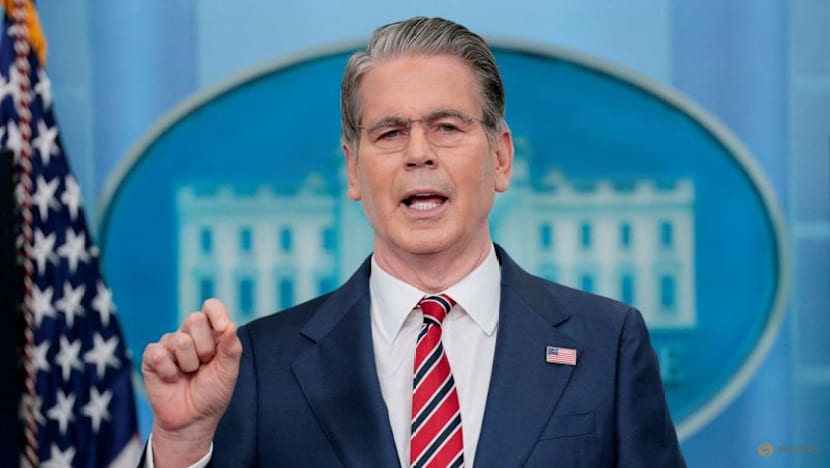
Treasury Secretary Scott Bessent announced the action on Friday, saying the government is intensifying efforts to cut off Iran’s access to funds. In a statement shared on X, he made it clear that Washington is determined to weaken Tehran’s financial networks.
“The Treasury Department will continue to systematically degrade Tehran’s ability to generate, move, and repatriate funds,” Bessent said.
According to the Treasury, sanctions have been placed on several cryptocurrency wallets believed to be connected to Iran, leading to the freezing of hundreds of millions of dollars. Officials say this reflects a growing focus on digital assets, which are increasingly being used to bypass traditional financial restrictions.
Why target crypto now? US officials argue that as sanctions tighten, Iran and other sanctioned actors are turning to newer technologies to move money quietly across borders. By going after these digital channels, Washington hopes to close yet another gap in its sanctions system.
The timing of the crackdown is also significant. It comes just as US envoys Steve Witkoff and Jared Kushner are set to travel to Pakistan for another round of talks with Iranian representatives, in an effort to bring an end to the ongoing conflict.
The war, which began on February 28 following joint US-Israeli strikes on Iran, has dramatically escalated tensions in the region. Among those reported killed in the strikes was Iran’s Supreme Leader, Ali Khamenei, a development that sent shockwaves across global politics.
A US official, speaking anonymously, said the government is now targeting both traditional and modern methods of sanctions evasion. This includes cracking down on front companies as well as engaging directly with cryptocurrency exchanges and financial institutions to monitor and restrict suspicious transactions.
With energy markets already feeling the strain of the conflict, the financial battle is becoming just as critical. The question now is whether these measures will push Iran toward negotiations or deepen the standoff further