Mali’s Defence Minister, General Sadio Camara, has been killed following a series of coordinated attacks on military sites, marking one of the most serious security breaches in the country in recent years.
The attack, reported on Sunday, came just a day after heavily armed fighters targeted Camara’s residence in Kati, a key military town located about 15 kilometres from the capital, Bamako. Known for its strong security presence, Kati is considered one of the safest areas in the country—raising urgent questions about how the attackers managed to strike so deeply.
According to reports, the assault involved a suicide car bomb that hit the minister’s residence during a wave of simultaneous attacks across different military positions. The operation has been linked to fighters from an al-Qaeda-affiliated group, Jama’at Nusrat al-Islam wal-Muslimin (JNIM), working alongside Tuareg rebel forces from the Liberation Front of Azawad.
General Camara was not just a senior official; he was one of the most powerful figures in Mali’s current military leadership. He played a key role in the coups of 2020 and 2021 that brought the military to power. Over time, he became a central figure in shaping the country’s security strategy and was widely seen as a possible future national leader.
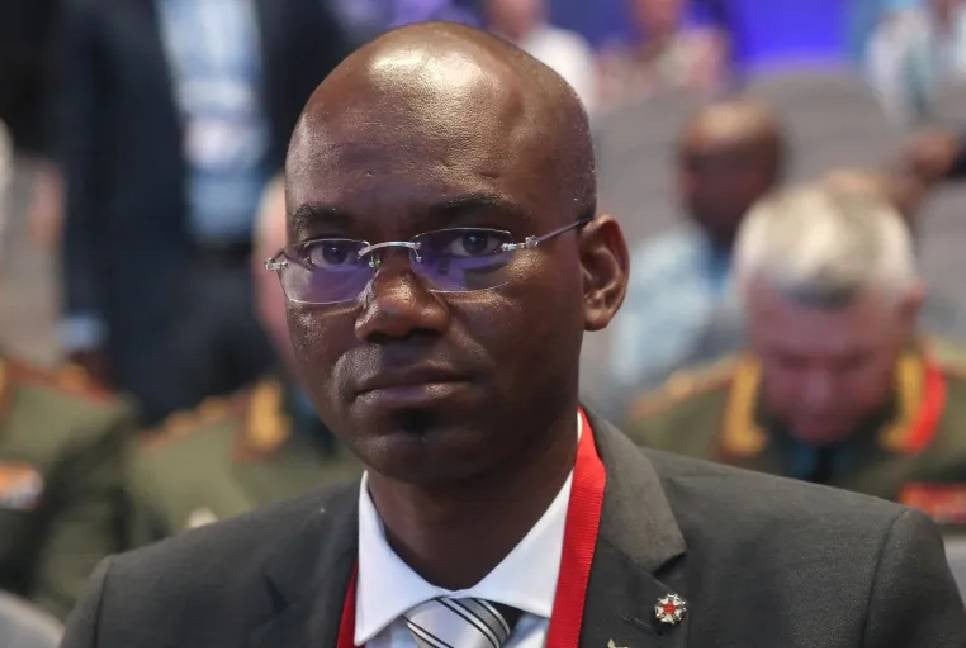
His death is expected to have major consequences for Mali’s armed forces and political direction. At a time when the country is already battling armed groups and instability, losing such a high-ranking figure could weaken military coordination and morale.
The scale and precision of the attacks have also exposed serious gaps in security, especially in areas believed to be well protected. If a senior leader can be targeted in a fortified military town, many are now asking: how secure is the rest of the country?
As Mali continues to face threats from armed groups and internal divisions, this incident may mark a turning point—one that could reshape both its security approach and political future
Source: Al Jazeera