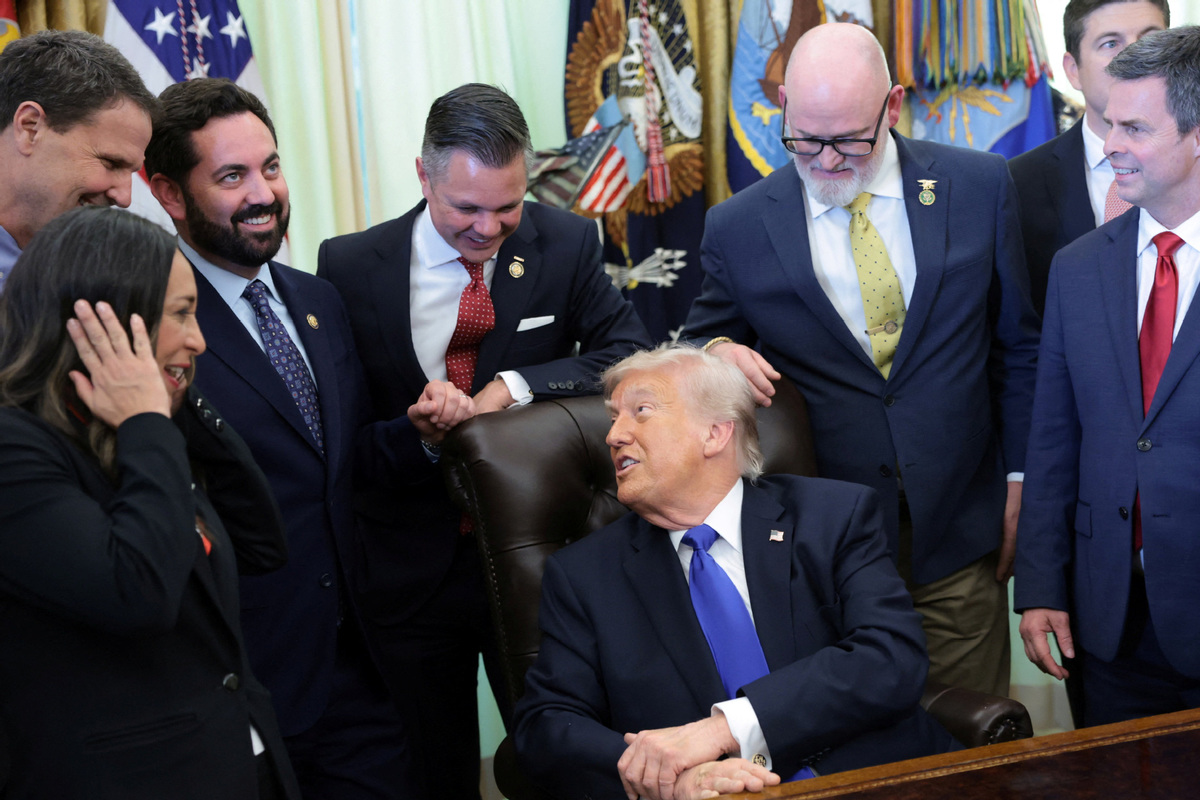
Former US President Donald Trump has struck a firm tone on potential engagement with Iran, saying he is unwilling to commit to lengthy international travel for meetings he believes lack meaningful leadership representation.
Speaking in Florida before heading back to Washington, Trump dismissed the idea of attending talks that, in his view, do not involve top decision-makers. He stressed that any engagement must be direct and worthwhile, not prolonged discussions with lesser known figures.
“We’re not going to be travelling 15, 16 hours to have a meeting with people that nobody’s ever heard of,” Trump said, signaling frustration with the structure of recent diplomatic efforts.
He pointed to a team that included JD Vance, Steve Witkoff, and Jared Kushner, describing them as “very competent,” but criticized the level of officials they were meeting.
“They weren’t meeting with the leader of the country. They were meeting with other people and I said we’re just not going to do it,” he added.
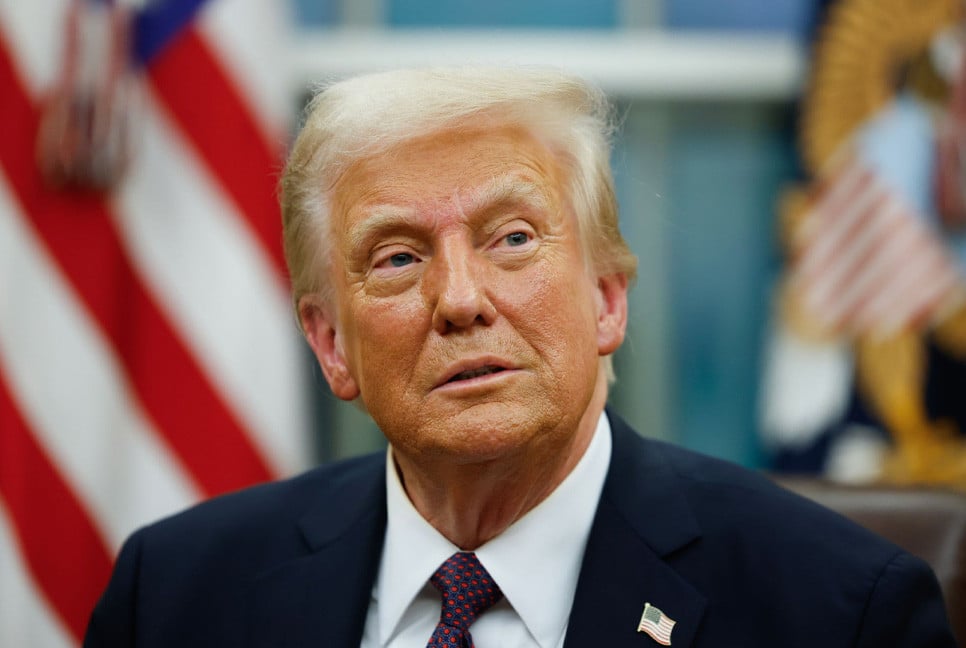
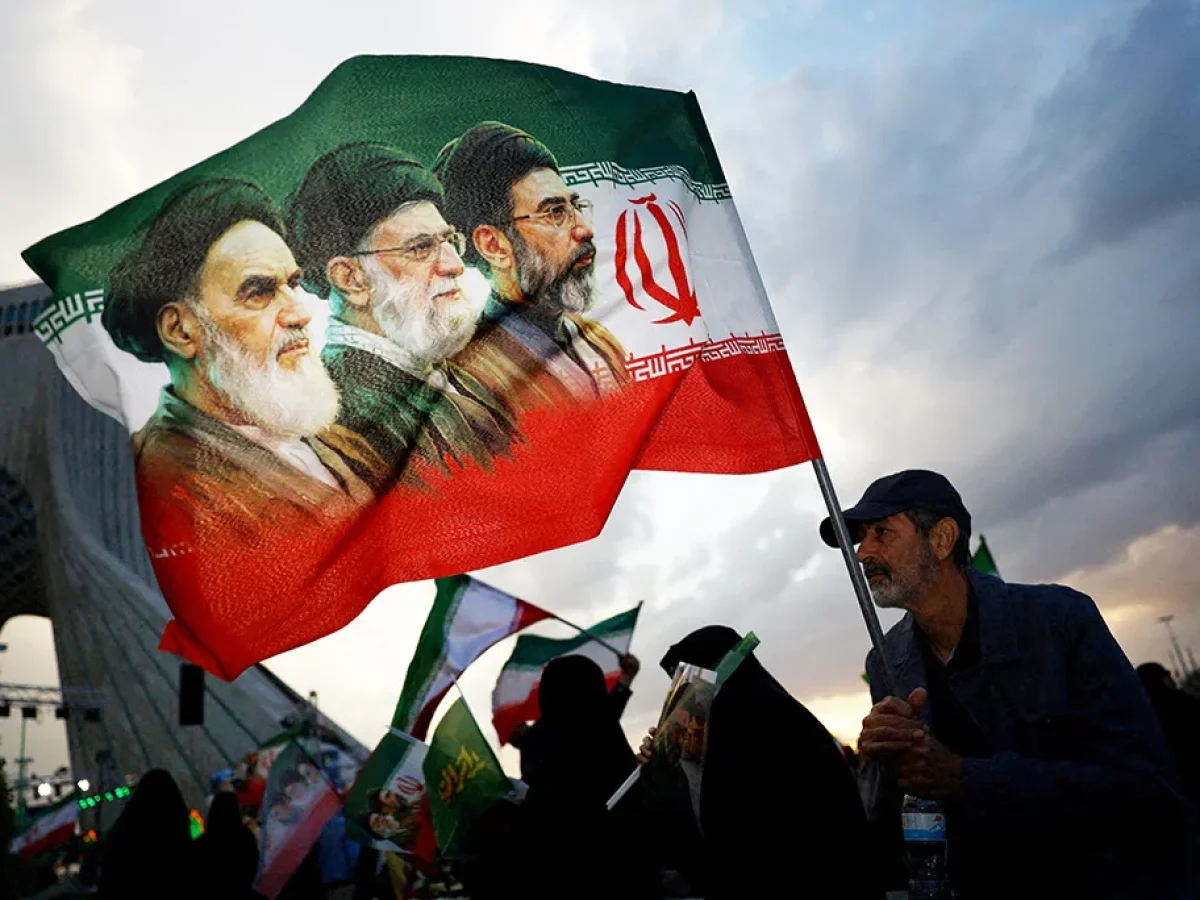
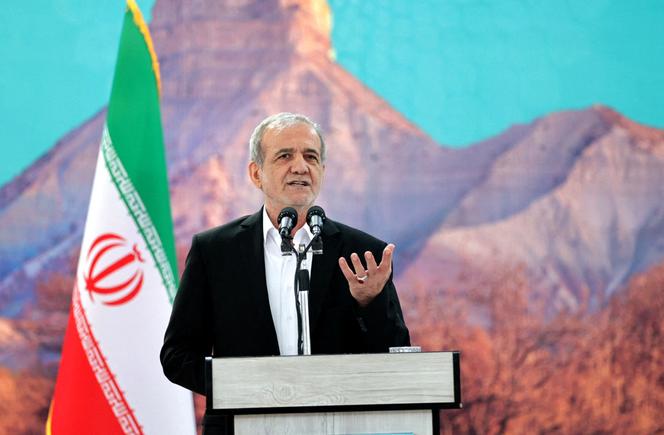
Trump also claimed that internal divisions within Iran are complicating the situation, suggesting there is uncertainty around leadership in Tehran. He alleged that factions are competing in a way that makes negotiations less predictable.
“I think they’re fighting not to be the leader because we knocked out two levels of leaders,” Trump said, without providing further detail.
Despite the sharp rhetoric, Trump left the door open for future talks, insisting that timing would depend on Iran’s willingness to engage directly. “I’ll deal with whoever we have to, but there’s no reason to wait two days… we’ll do it when they want, they can call me,” he said, adding that the United States holds a strong position.
When asked about the possibility of ending a ceasefire with Iran, Trump appeared non-committal. “I haven’t even thought about it,” he said, offering little clarity on the future of the fragile pause in tensions.
The remarks highlight a continued hardline posture, with Trump emphasizing leverage and direct negotiation while questioning the effectiveness of ongoing diplomatic channels