King Charles III began a high-profile state visit to the United States on Monday, stepping into a tense political moment marked by disagreements over the Iran war and fresh security concerns following a recent shooting incident.
The four-day trip, which includes Queen Camilla, is aimed at celebrating the long-standing relationship between the United Kingdom and the United States. The visit also comes as America prepares to mark its 250th anniversary, adding symbolic weight to the occasion.
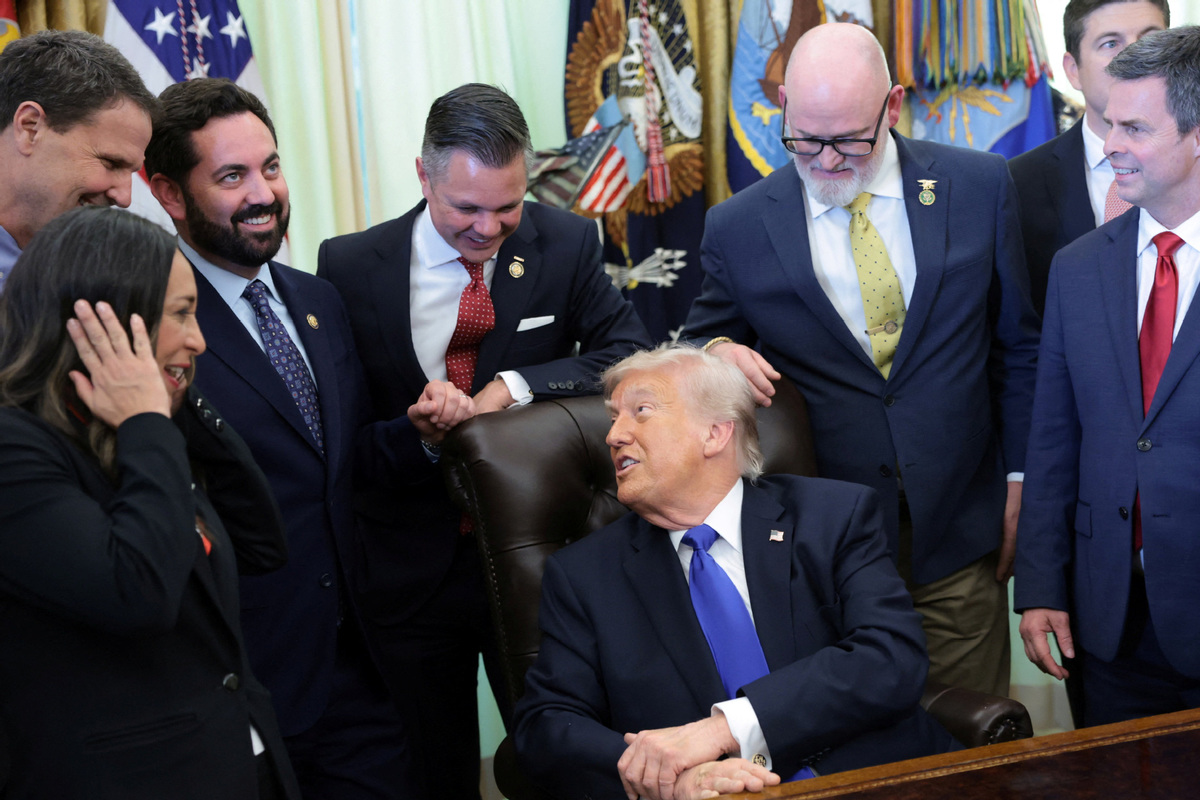
Despite the ceremonial tone, the visit unfolds under a cloud of unease. Just two days earlier, gunfire erupted near a high-level dinner attended by Donald Trump and Melania Trump. A security officer was wounded, though officials confirmed that the president and other guests were unharmed. Authorities say a lone suspect is now in custody.
Buckingham Palace confirmed the visit would proceed as planned, noting that the king was “greatly relieved” that no senior figures were injured. British officials also stressed that strong security arrangements are in place throughout the trip.
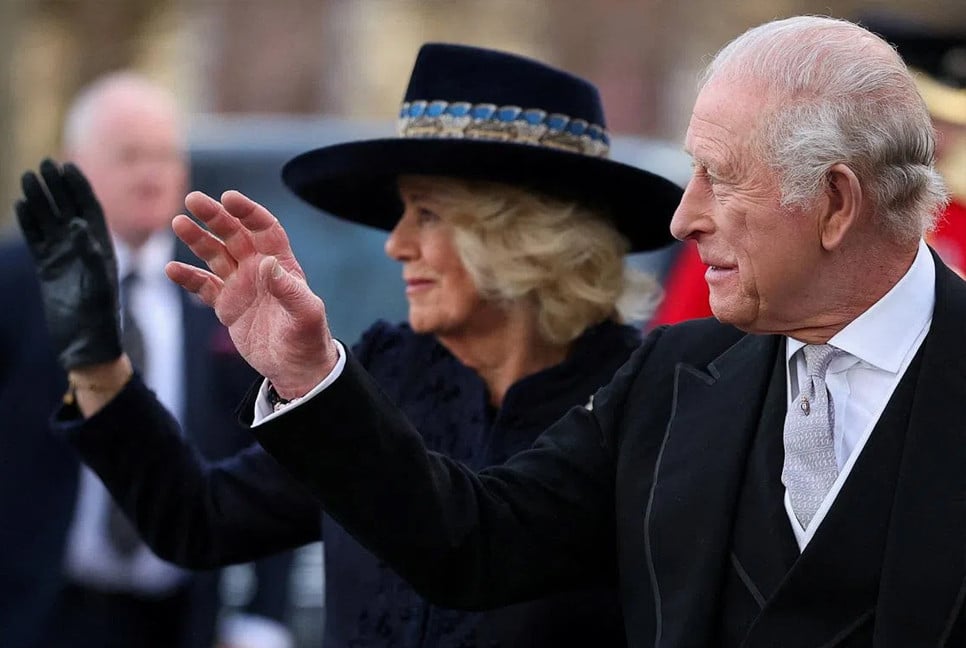
During the visit, King Charles is expected to deliver a historic address to the US Congress the first by a British monarch since Queen Elizabeth II spoke there in 1991. The royal couple will also attend a formal state dinner and hold talks with President Trump at the White House.
Their itinerary includes a visit to New York, where they will pay respects at the 9/11 memorial, before heading to Bermuda marking Charles’s first visit to a British overseas territory since becoming king.
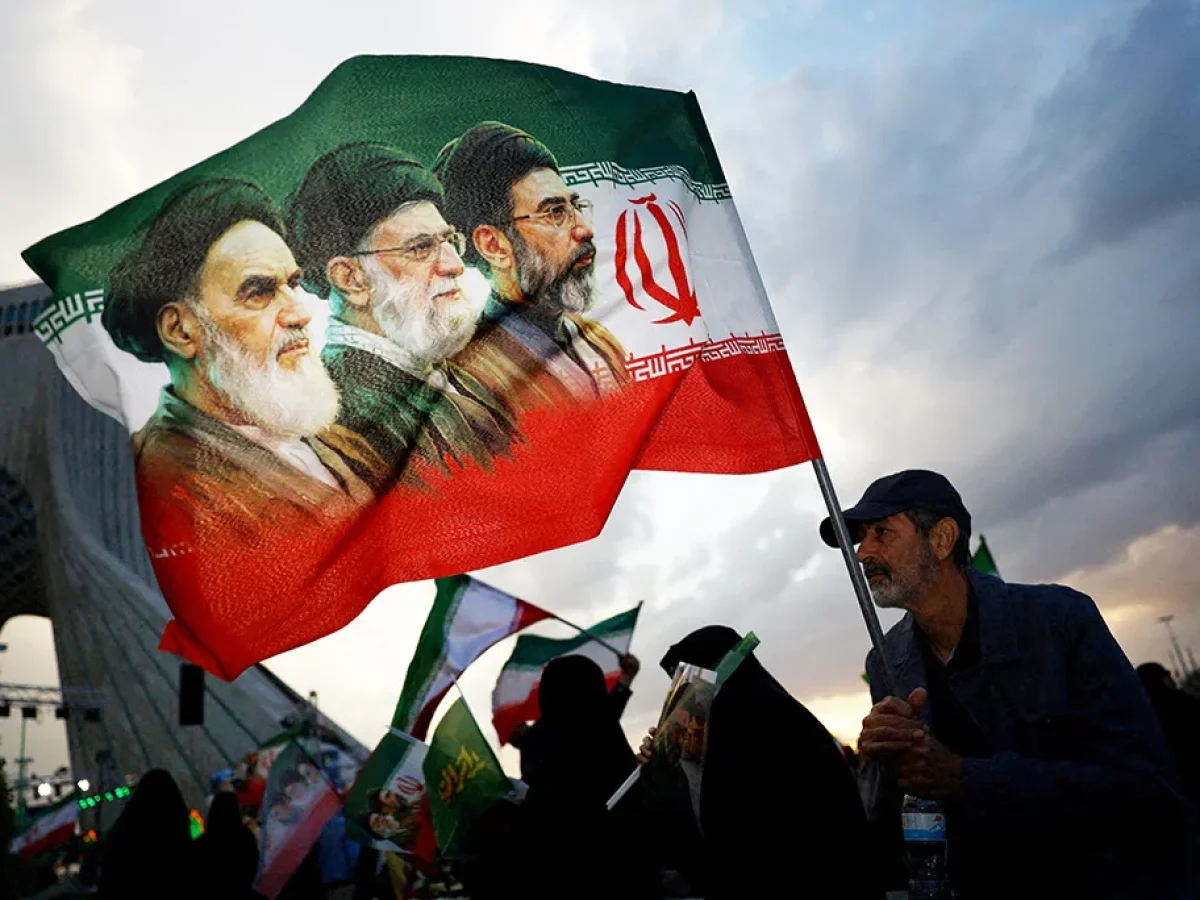
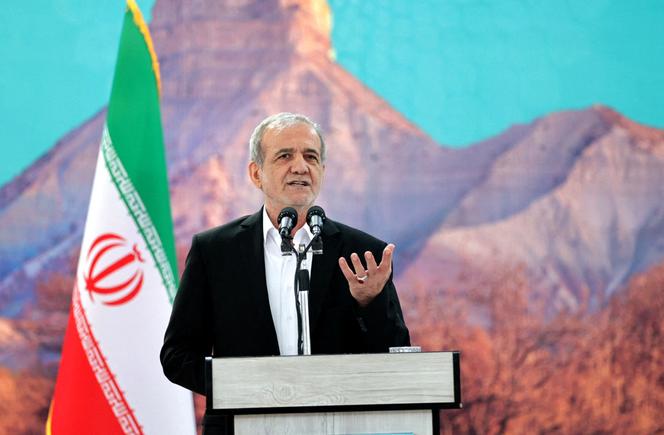
However, beyond the formal events lies a deeper political divide. The ongoing war involving Iran has strained relations between Washington and London. Keir Starmer has openly criticized the conflict, putting him at odds with President Trump.
The two leaders spoke by phone on Sunday, addressing both the recent shooting and global economic concerns, particularly disruptions in the Strait of Hormuz a critical route for global oil shipments. The situation has raised fears about rising living costs and economic instability worldwide.
Public opinion in Britain reflects the tension. A recent poll suggests nearly half of Britons believe the visit should be cancelled, highlighting the delicate balance between diplomacy and domestic pressure.
Still, Starmer defended the trip, arguing that the monarchy plays a unique role in maintaining long term international relationships, even during periods of political disagreement.
Observers believe King Charles may subtly address these tensions in his speech, using careful language to avoid direct confrontation while acknowledging the underlying issues.
Adding another layer of sensitivity is the ongoing controversy surrounding Prince Andrew and his past links to disgraced financier Jeffrey Epstein. Although not part of the visit, the issue remains a shadow over the royal family and could attract attention during the trip.
To avoid unexpected moments, much of the visit has been tightly controlled. For instance, only official photographers will be allowed to capture the meeting between King Charles and President Trump in the Oval Office.
As the visit unfolds, it presents both an opportunity and a test can historic ties overcome present tensions, or will current divisions define the moment?
Source: BSS