A growing number of Americans are questioning the United States’ decision to use military force against Iran, with a new national poll showing clear public disapproval and rising concern about the consequences.
The survey, conducted by The Washington Post–ABC News–Ipsos, found that 61% of Americans believe the military action was the wrong decision. Only a small fraction fewer than two in ten consider the operation a success.
Beyond judging the decision itself, many Americans remain uncertain about its outcome. About 40% said the mission has been unsuccessful, while a nearly equal share believe it is still too early to determine whether it achieved its goals. This split suggests a public that is not only critical, but also uneasy about what lies ahead.
The level of opposition now mirrors some of the most controversial moments in US military history.
According to the poll, public sentiment is comparable to the height of the Iraq War in 2006 and the Vietnam War during the early 1970s periods marked by widespread frustration, fear, and deep national division.
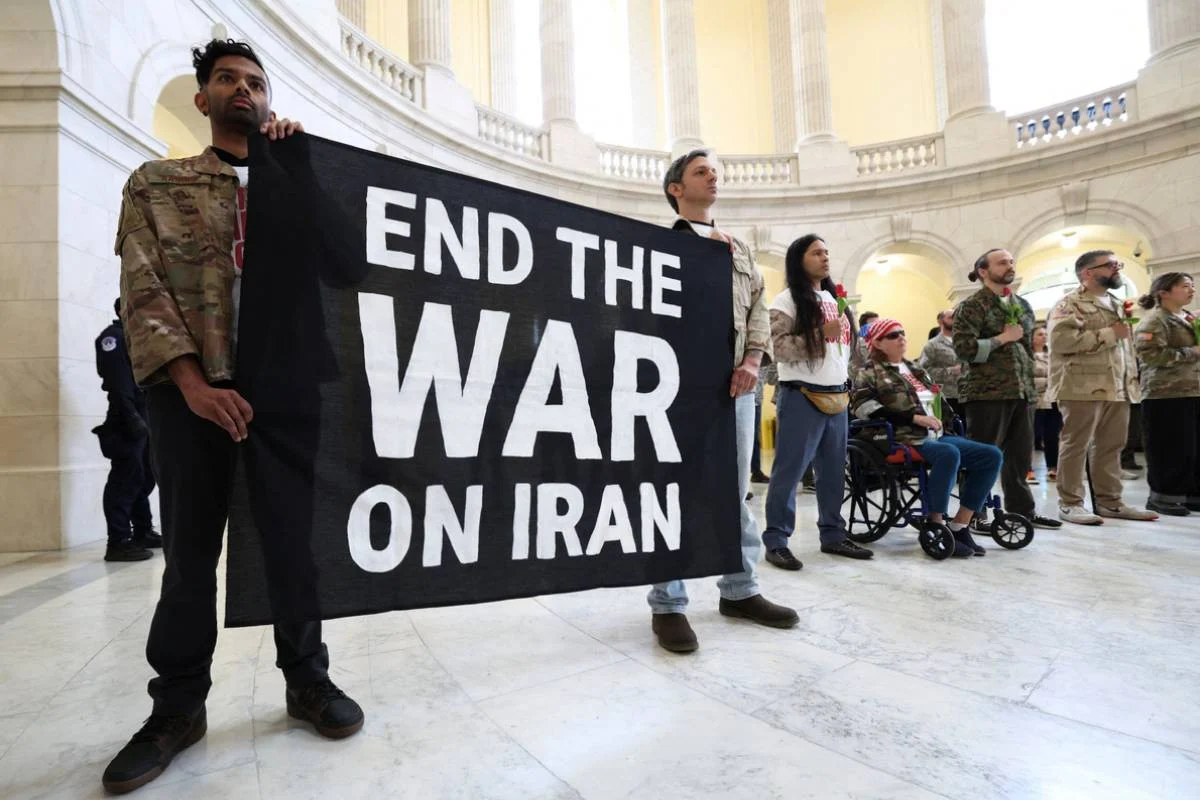
However, political differences remain sharp. Support for the military action is still strong among Republicans, with 79% saying it was the right decision. This contrast highlights a familiar divide in how Americans interpret foreign policy and national security decisions.
At the same time, concerns about the broader impact of the conflict are widespread and cut across political lines. Around 61% of respondents fear the strikes could increase the risk of terrorist attacks against US citizens.
Another 60% worry that the situation could damage the economy and potentially lead to a recession. Meanwhile, 56% believe the action could strain relationships with key international allies.
Taken together, these findings point to a public that is not only doubtful about the decision itself, but also deeply concerned about its ripple effects from security risks to economic stability and global diplomacy.
As tensions continue, the poll raises a pressing question: can military action abroad win support at home when the costs, risks, and outcomes remain so uncertain?
Source: Xinhua / China Daily