The United Nations Security Council is preparing for an important vote on Friday on a revised plan aimed at reopening the Strait of Hormuz, one of the world’s most critical oil routes.
The new proposal, introduced by Bahrain, has been softened after strong opposition from major global powers.
Earlier versions allowed the use of force to secure the waterway, but the latest draft now limits action to defensive measures only.
This change follows concerns raised by countries including Russia, China, and France, which warned that allowing military force could worsen the already tense situation.
The Strait of Hormuz is a vital passage through which nearly 20 percent of the world’s oil supply moves.
However, ongoing conflict in the region has seen Iran block the route, pushing global energy prices higher and raising fears of wider economic impact.
Under the revised plan, countries would be allowed to take “necessary and proportionate” defensive action to protect ships traveling through the strait and nearby waters.
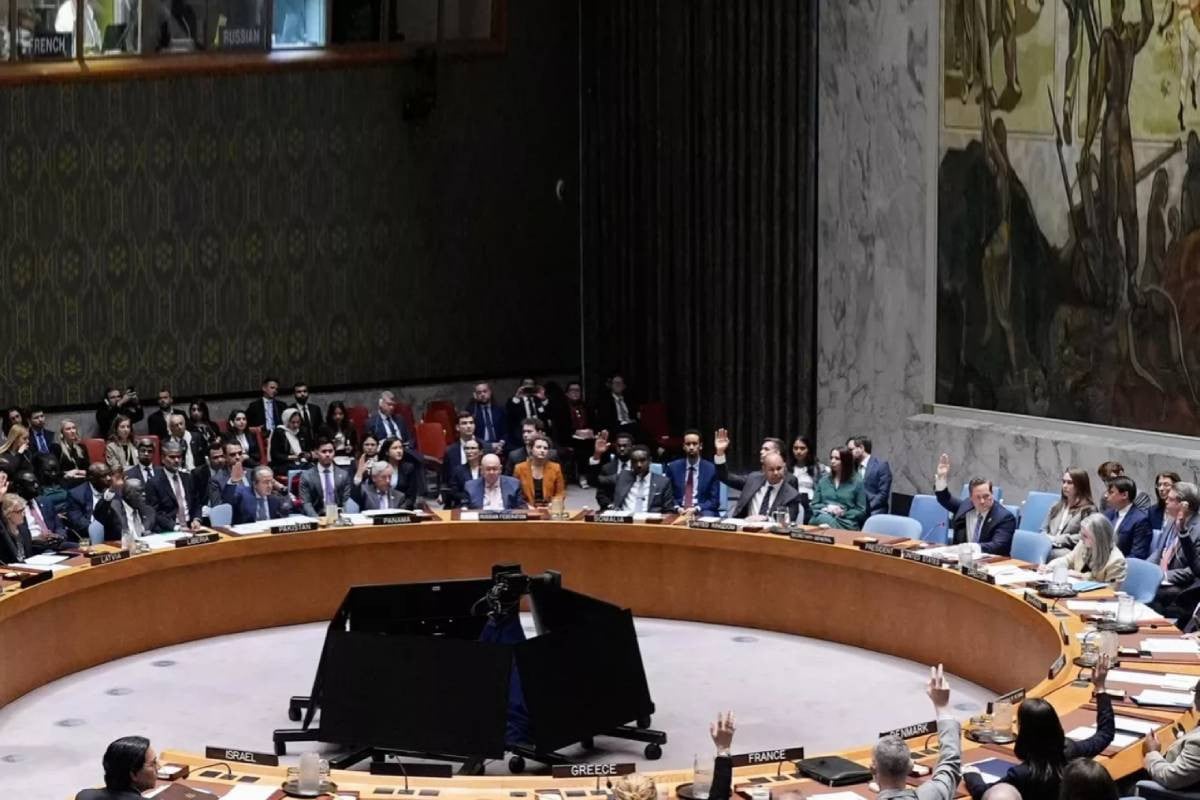
These measures could be carried out by individual nations or joint naval forces, but any action must be reported to the Security Council in advance.
The proposal would remain in effect for at least six months.
Tensions in the region remain high.
The United States has signaled that it will continue military strikes alongside Israel against Iran for the coming weeks, while Iran has responded with retaliatory attacks and maintained its control over the strait.
Diplomatic divisions are clear.
Russia has criticized the proposal, saying it does not address the root cause of the conflict and stressing that ending hostilities is the only real solution.
China has also warned that any move toward military action could be dangerous and lead to serious consequences, urging dialogue instead of escalation.
France has taken a more balanced position, supporting the revised version that focuses on defense rather than offensive force.
The upcoming vote is expected to be closely watched, as it could shape the global response to one of the most serious energy and security crises in recent times.
.