Nepal’s Home Minister Sudan Gurung has stepped down from his position following growing controversy over his financial dealings, raising fresh concerns about transparency and accountability in public office.
In a statement shared on Facebook on Wednesday, Gurung said he chose to resign to allow a fair and independent investigation into the allegations against him. He emphasized that staying in office could create a conflict of interest and affect the credibility of the inquiry.
“I have resigned from the post of home minister effective from today to ensure an impartial investigation into matters related to me,” he wrote.
His resignation comes after reports linked him to questionable financial activities. According to the reports, Gurung had business ties with a businessman currently under investigation for money laundering. In addition, his non-governmental organization, Hami Nepal, is alleged to have received funds from unclear or suspicious sources. These revelations quickly sparked public debate and political pressure.
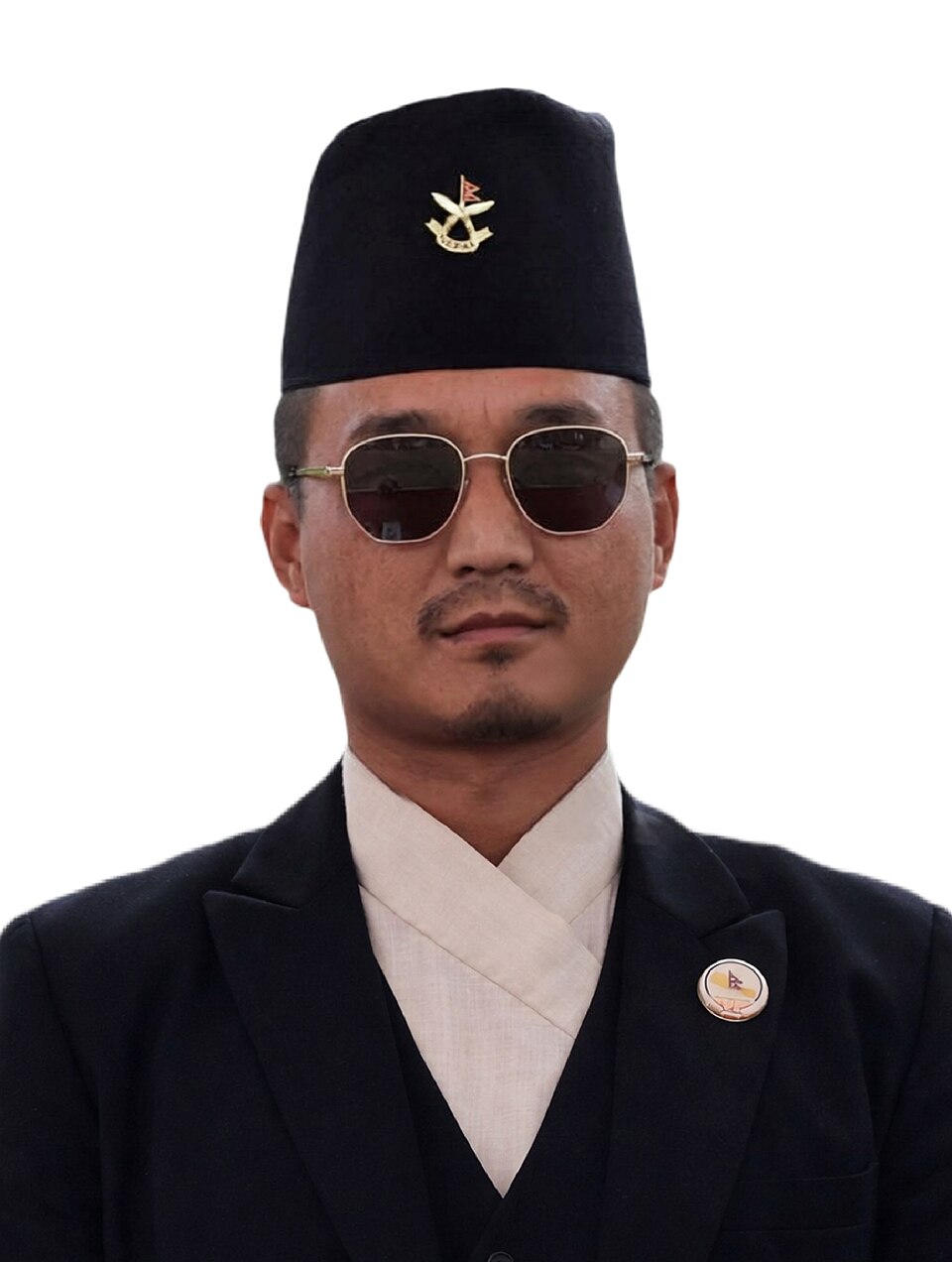
What makes this case more striking is Gurung’s recent rise in politics. Once known as a key figure behind the Gen Z-led protests in September 2025, he entered mainstream politics only months ago. He joined the Rastriya Swatantra Party shortly before the March 5 parliamentary elections and secured a seat in the House of Representatives. On March 27, he was appointed Home Minister, a role that carries significant responsibility for national security and law enforcement.
His sudden resignation raises important questions: How thoroughly are public officials vetted before taking office? And how can trust be maintained when controversies emerge so soon after appointments?
Following Gurung’s exit, a brief statement from the Prime Minister’s office confirmed that Prime Minister Balendra Shah will temporarily oversee the Home Ministry until a new minister is appointed. The move signals an attempt to maintain stability while investigations proceed.
As the situation unfolds, many citizens are watching closely. For a country striving to strengthen governance and public trust, this moment could serve as a test of its commitment to accountability