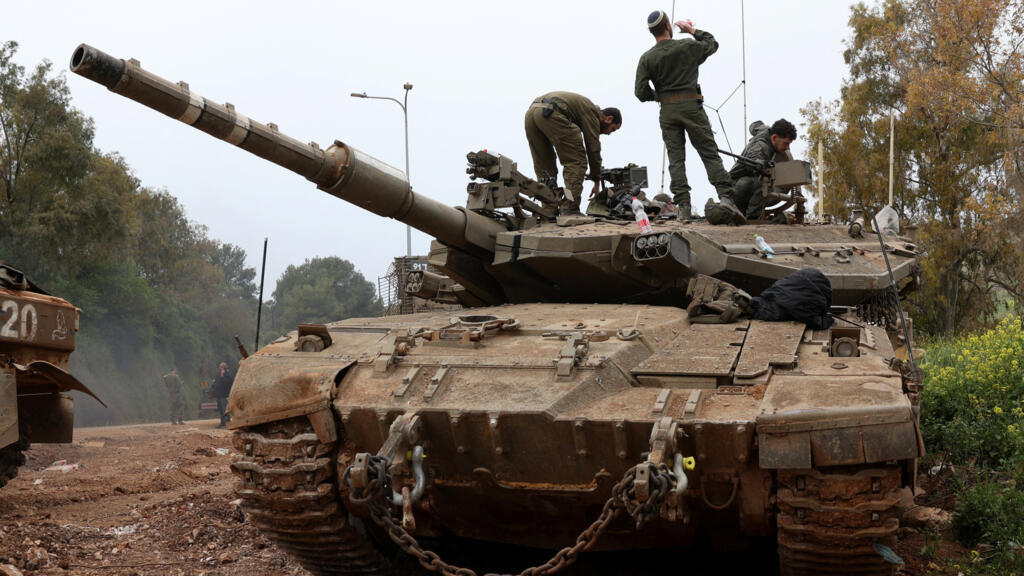
Israel has backed a United States-led decision to pause strikes against Iran for two weeks, but made it clear that the ceasefire will not extend to Lebanon, raising fresh concerns about continued conflict in the region.
In a statement released on Wednesday, the office of Benjamin Netanyahu confirmed support for the move announced by Donald Trump.
The temporary truce is aimed at creating space for negotiations intended to address Iran’s nuclear and military activities.
Netanyahu said Israel stands behind Washington’s efforts to ensure that Iran no longer poses what he described as a “nuclear, missile and terror threat” to the United States, Israel, and its regional allies.
According to him, the US has reassured Israel that these concerns will be central in upcoming talks.
Those negotiations are expected to take place in Islamabad on Friday, where key stakeholders will attempt to lay the groundwork for a longer-term agreement.
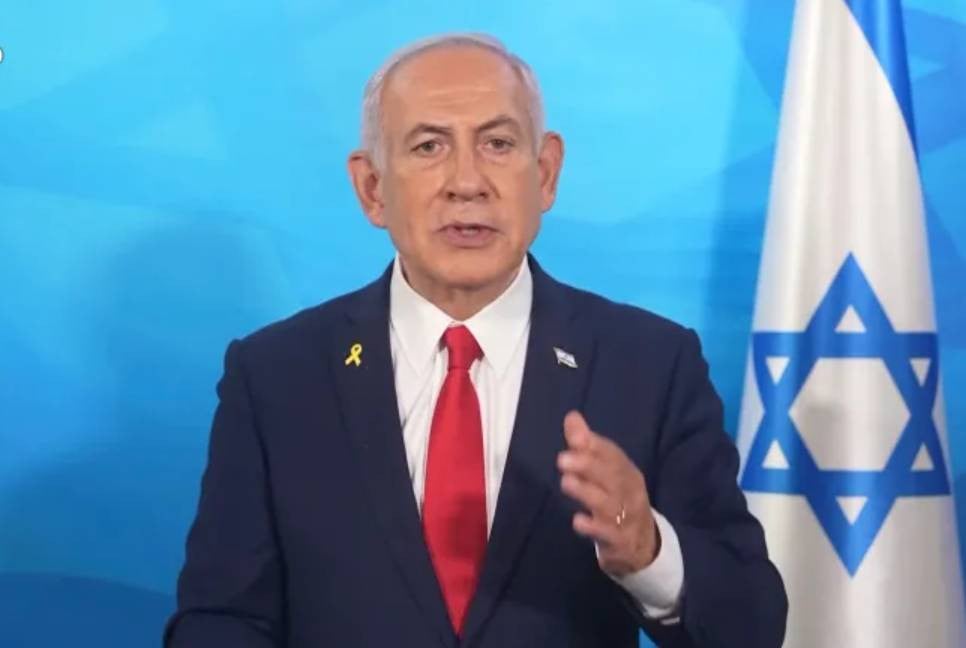
However, despite the diplomatic progress, Netanyahu stressed that the two-week ceasefire “does not include Lebanon,” signaling that Israel’s military operations there could continue without pause.
The statement introduces a sharp contrast to earlier claims suggesting a broader truce.
Just hours before Israel’s announcement, Shehbaz Sharif had said that the United States, Iran, and their allies had agreed to an “immediate ceasefire everywhere,” including Lebanon.
He described the agreement as taking effect immediately, offering hope of a wider de-escalation.
The differing statements now raise a critical question: is the ceasefire truly comprehensive, or are key fronts being left out?
As diplomatic efforts gather momentum, uncertainty remains on the ground.
While talks may promise a path to peace, the exclusion of Lebanon highlights the fragile and complex nature of the situation—where even a ceasefire can come with limits.
.