Hungary is set for a major policy shift after election winner Peter Magyar announced he will stop the country from leaving the International Criminal Court (ICC), reversing a key decision made by outgoing leader Viktor Orban.
Speaking at a press briefing in Budapest, Magyar made his position clear: Hungary must respect international law.
His message carried a direct warning to Benjamin Netanyahu, who is currently wanted by the ICC over alleged war crimes linked to the conflict in Gaza.
“If Hungary remains a member of the court, then anyone wanted by it must be arrested if they enter our country,” Magyar said firmly.
This statement marks a sharp change from Orban’s earlier plan.
Last year, Orban had announced Hungary’s withdrawal from the ICC, partly in protest against the arrest warrant issued for Netanyahu.
The withdrawal was expected to take effect on June 2, which would have made Hungary the only country in the European Union outside the court’s authority.
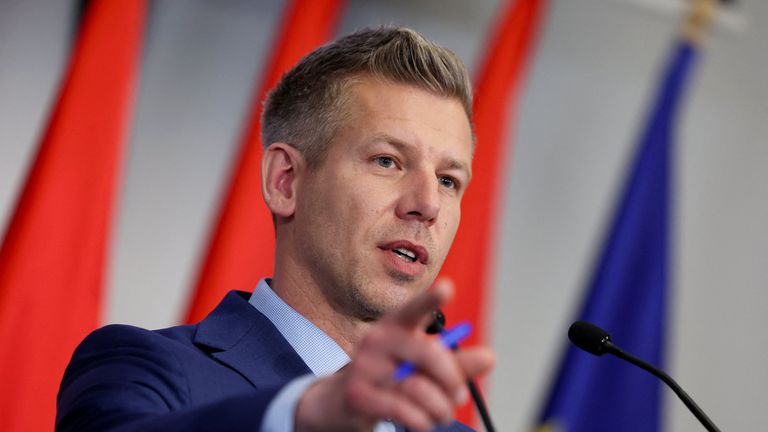
But Magyar, leader of the centre-right Tisza party, has now stepped in to stop that move.
His team reviewed the decision and concluded that Hungary should remain committed to international justice systems.
The implications are serious.
If Hungary stays in the ICC, it would be legally required to arrest any individual wanted by the court who enters its territory.
That includes high-profile figures like Netanyahu, raising questions about future diplomatic visits and international relations.
The ICC warrant itself has been controversial.
Former US President Joe Biden strongly criticized it, while current President Donald Trump has continued to openly support Netanyahu.
The United States is not a member of the ICC, and Netanyahu has maintained close ties with Washington, visiting both the capital and Trump’s Florida residence multiple times.
Both Trump and Netanyahu had also been political allies of Orban, backing his leadership over the years.
However, Orban’s recent election defeat has now opened the door to a different direction for Hungary—one that appears more aligned with international legal institutions.
Magyar’s decision raises a larger question: should political alliances outweigh international law, or should legal accountability come first? As Hungary repositions itself on the global stage, the answer may shape not only its foreign policy but also its role within Europe and beyond
source:sky news.