Israel has expressed support for a temporary pause in US strikes against Iran, but made it clear that the truce will not extend to Lebanon, creating uncertainty around the scope of the ceasefire.
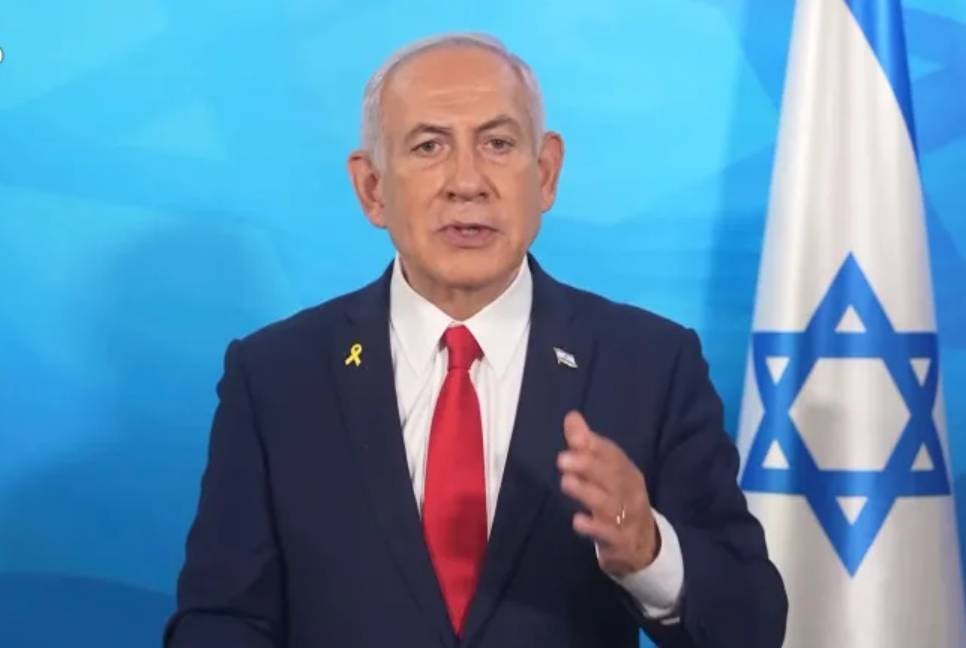
In a statement shared on X, Israeli Prime Minister Benjamin Netanyahu said his government supports efforts by US President Donald Trump to stop Iran from posing what he described as a “nuclear, missile and terror threat” to multiple regions, including Israel and its Arab neighbors.
According to Netanyahu, Washington has reassured Israel that it remains committed to addressing these concerns during upcoming negotiations scheduled to take place in Islamabad on Friday.
The talks are expected to involve key stakeholders, with hopes of easing tensions that have raised fears of wider regional conflict.
However, Netanyahu drew a clear line regarding the scope of the ceasefire.
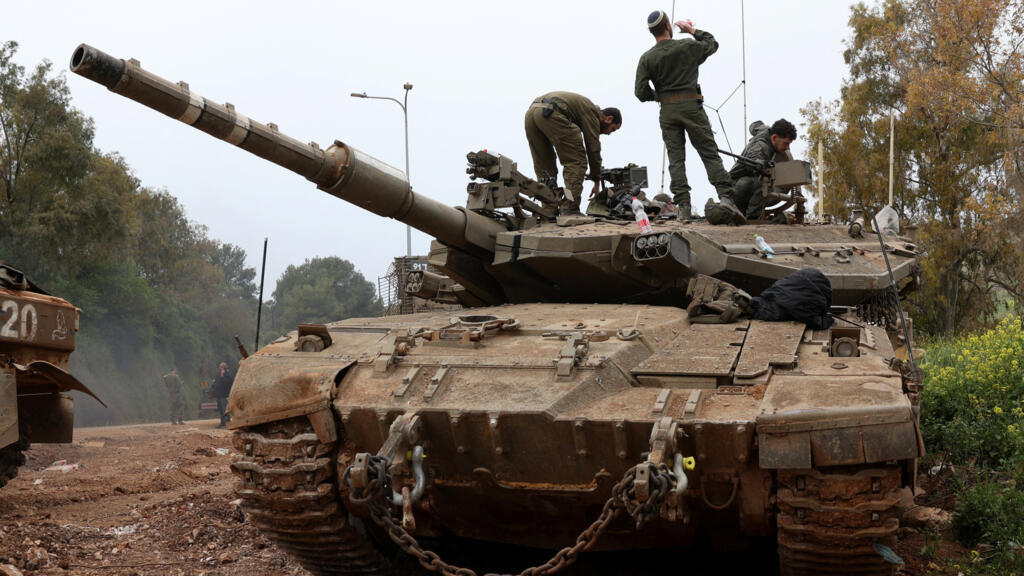
“The two-week ceasefire does not include Lebanon,” he said, signaling that military activity linked to that front may continue despite the broader pause being discussed.
This position appears to contradict earlier remarks by Shehbaz Sharif, who had announced that a comprehensive agreement had been reached.
Sharif stated that the United States, Iran, and their allies had agreed to an “immediate ceasefire everywhere,” explicitly including Lebanon and other areas.
The conflicting statements raise questions about whether all parties are aligned on the terms of the truce, or if differing interpretations could undermine efforts to de-escalate tensions.
At the heart of the matter lies a deeper geopolitical challenge: can a ceasefire hold if key regions are excluded, and if major players present different versions of the same agreement?
As diplomatic talks approach, the world will be watching closely to see whether these differences can be resolved or whether they signal deeper divisions that could prolong instability in the region
Source: Al Jazeera.