The United States and Iran have agreed to a two-week ceasefire, raising hopes for a possible end to rising tensions in the Middle East.
The truce, announced by US President Donald Trump, will lead to peace talks scheduled to begin in Islamabad.
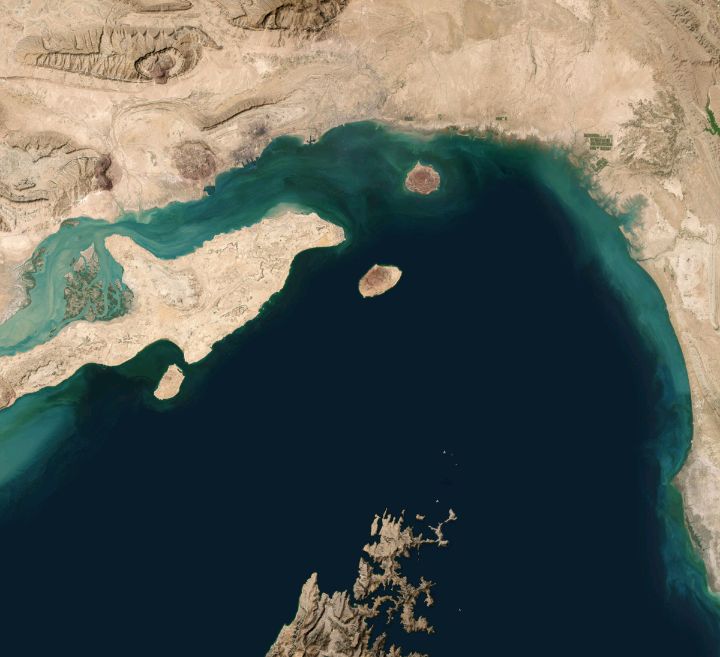
As part of the agreement, Iran is set to reopen the Strait of Hormuz, a key channel for global oil supply.
The development has drawn reactions from world leaders and officials, many of whom have welcomed the move while urging caution and commitment
Israel
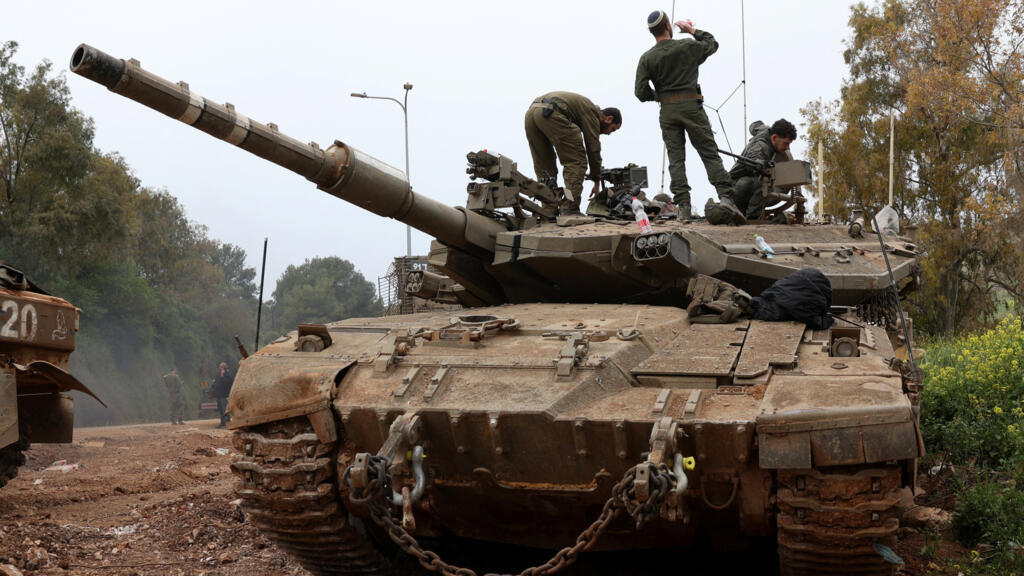
Prime Minister Benjamin Netanyahu said Israel supports the US decision to pause strikes, backing efforts to ensure Iran no longer poses a threat.
However, he clarified that the ceasefire does not extend to Lebanon, where Israeli forces are still engaged in conflict with Hezbollah
Iraq
Iraq’s Ministry of Foreign Affairs welcomed the ceasefire but stressed that both sides must fully commit to it.
The ministry said lasting peace depends on avoiding escalation and prioritising dialogue and diplomacy, warning that continued violence could undermine stability
Egypt
Egypt’s Ministry of Foreign Affairs described the ceasefire as a critical opportunity for diplomacy.
In its statement, the ministry called for a complete halt to military operations and respect for international navigation, adding that ongoing talks must consider the security concerns of Gulf nations
United Nations
Secretary-General Antonio Guterres welcomed the ceasefire and urged all parties to respect its terms.
He emphasised the urgent need to protect civilian lives and reduce suffering, while also acknowledging the role of countries facilitating the agreement
Japan
Chief Cabinet Secretary Minoru Kihara said Japan views the ceasefire as a positive step toward a final agreement.
He noted that reducing tensions in the Middle East remains a top priority for Tokyo
Indonesia
Foreign Ministry official Yvonne Mewengkang said Indonesia welcomes the ceasefire and called on both nations to respect sovereignty and diplomacy.
She also urged a thorough investigation into the deaths of Indonesian UN peacekeepers in Lebanon
Malaysia
Malaysia’s Ministry of Foreign Affairs described the truce as a significant step toward restoring stability.
The ministry urged all parties to act in good faith and avoid provocative actions that could threaten fragile peace and global energy security
Australia
Prime Minister Anthony Albanese and Foreign Minister Penny Wong said the ceasefire is a welcome development.
They highlighted the global economic impact of the conflict, warning that disruptions to oil supply have already affected fuel prices and energy markets
New Zealand
Foreign Minister Winston Peters said the ceasefire is encouraging but cautioned that more work is needed.
He stressed that achieving a lasting agreement will require continued diplomatic effort
Germany
Chancellor Friedrich Merz welcomed the ceasefire and thanked mediators for their role.
He said the focus must now shift to securing a permanent end to the conflict through dialogue
Ukraine
Foreign Minister Andrii Sybiha welcomed the ceasefire and reopening of the Strait of Hormuz.
He also called for similar decisive action to end the ongoing war with Russia
France
President Emmanuel Macron praised the ceasefire as a positive step.
However, he warned that the situation in Lebanon remains critical and should be included in broader peace efforts
China
China’s Foreign Ministry welcomed the ceasefire and reiterated its support for diplomatic solutions.
Officials said China has also contributed efforts toward achieving long-term peace in the region.
As the world reacts, one message stands out clearly: the ceasefire is a hopeful beginning—but its success will depend on trust, commitment, and serious diplomacy in the days ahead
Source: Al Jazeera.