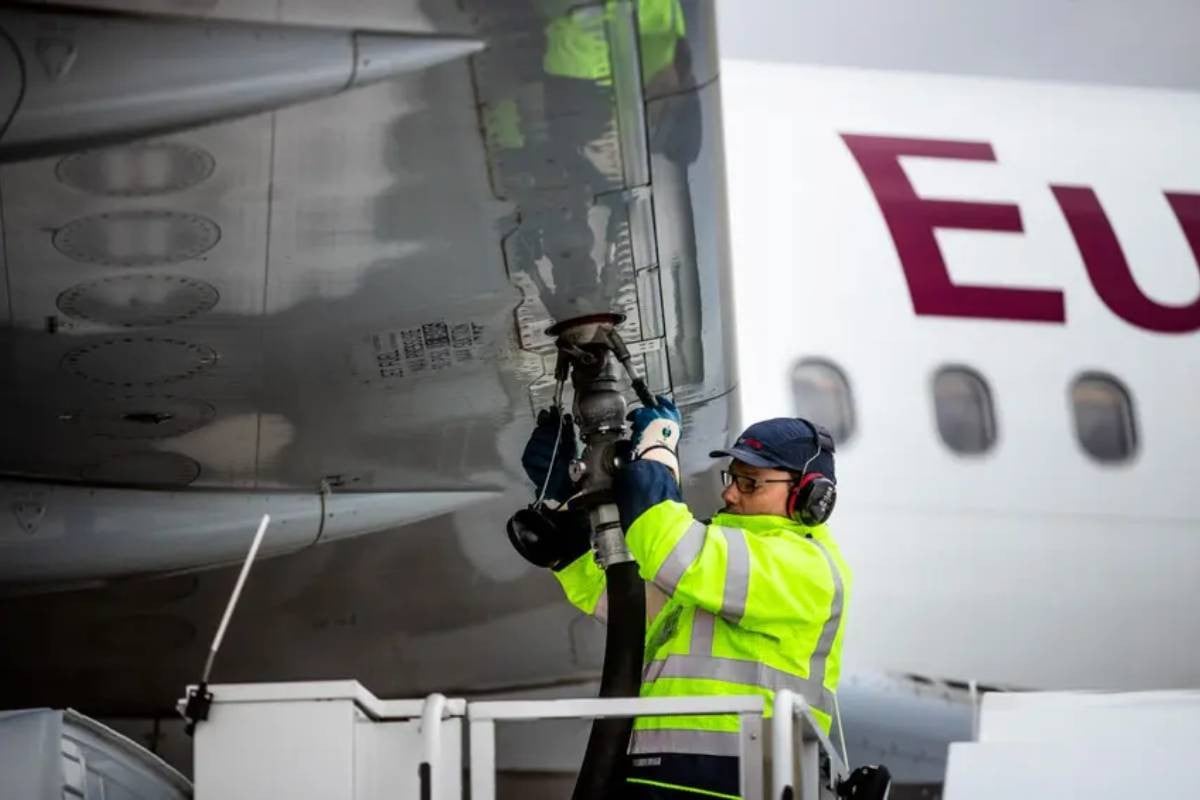
Uganda has firmly rejected Kenya’s request to tap into its fuel reserves, saying the move could threaten the country’s own energy security amid a volatile global oil market.
Reports from Nairobi indicate that Kenya wanted to use Uganda’s petrol stocks temporarily, promising to replace the fuel once delayed shipments arrived.
Uganda, however, declined the request, forcing Kenya to seek emergency fuel imports outside the usual government-to-government arrangements.
Uganda depends heavily on imported fuel, much of which passes through Kenya before reaching local markets.
Experts say any attempt to draw on Uganda’s reserves during uncertain times, especially with global oil prices under pressure, would naturally raise concern in Kampala.
The Ministry of Energy and Mineral Development, together with the Uganda National Oil Company, confirmed that Uganda’s inland fuel supply chain remains stable despite the ongoing conflict in the Middle East and disruptions in global shipping routes.
In a joint statement at the end of March, officials said that as of March 27, Uganda had around 81 million litres of petrol, 80 million litres of diesel, and 18.

5 million litres of Jet A-1 fuel—enough to cover 22 days of petrol, 23 days of diesel, and 30 days of Jet A-1 demand, carrying the country through the end of April.
Officials also highlighted that additional shipments were expected from the end of March through April, mainly via the Port of Mombasa, with extra supplies lined up through Tanzanian ports, including Tanga, Dar es Salaam, and Mtwara.
These incoming volumes are expected to bring in 195 million litres of petrol, 155 million litres of diesel, and 24 million litres of Jet A-1, further strengthening Uganda’s fuel security.
The ministry emphasized that the country’s fuel stock remains sufficient, even as regional tensions and global supply disruptions persist.
.