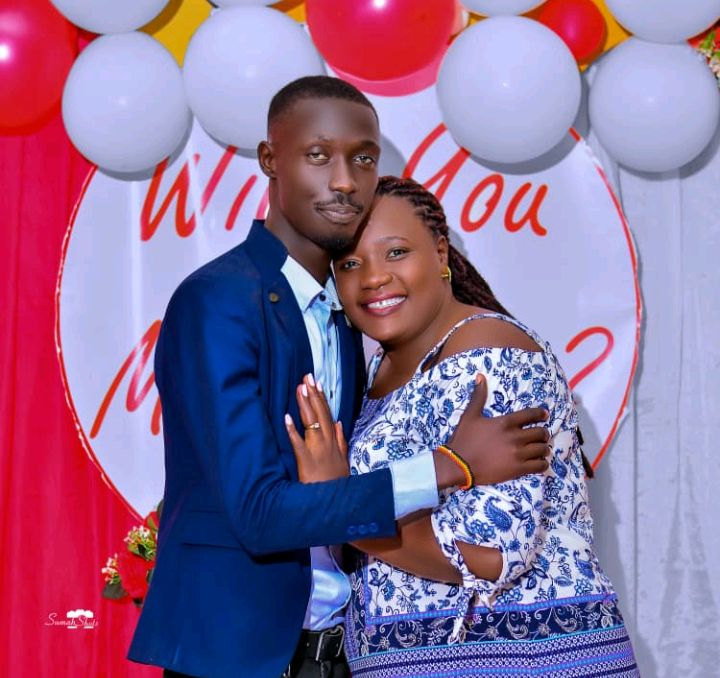
Democratic Party (DP) President Norbert Mao has defended his decision to attend the ruling National Resistance Movement (NRM) leadership retreat, saying his presence was official and within his responsibilities as both a government minister and party leader.
Mao, who also serves as Uganda’s Minister of Justice, said he was formally invited to the retreat in his dual role.
The event is currently taking place at the National Leadership Institute Kyankwanzi and has brought together hundreds of NRM leaders.
Speaking amid growing public debate, Mao clarified that his attendance should not be misinterpreted as a shift in political allegiance.
“I was invited as Minister and Leader of DP.
As the letter shows, I’m a guest of the National Chairman,” Mao said, pointing to a formal invitation extended to him.
The invitation, dated March 27, was signed by Richard Todwong, the Secretary General of the NRM.
It indicated that the party’s National Chairman, Yoweri Kaguta Museveni, had directed the organization of the retreat and personally approved Mao’s participation.
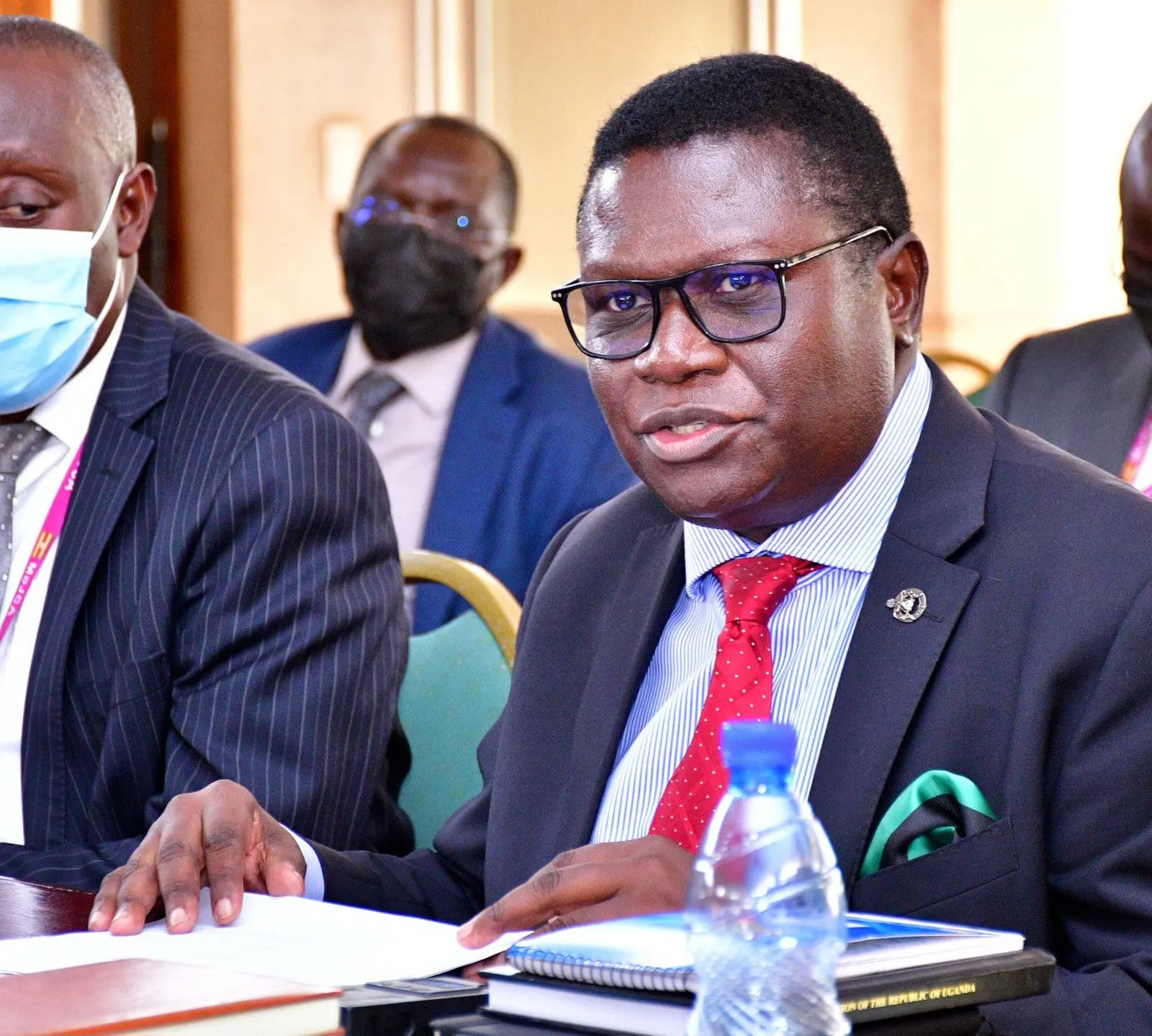
According to the letter, Mao was invited as a “Senior Comrade” to join nearly 450 members of the incoming NRM Parliamentary Caucus for the gathering, which runs from April 7 to 15.
The retreat is being held under the theme of aligning party leadership to “protect the gains and make a qualitative leap to a higher middle-income status society.
” Such meetings are traditionally used by the NRM to shape legislative priorities and strengthen internal strategy ahead of major national decisions.
However, Mao’s presence has sparked criticism from some political observers and members of the public, who question whether attending a ruling party strategy meeting undermines his role as leader of an opposition party.
In response, Mao maintained that his participation is consistent with his responsibilities in government and does not contradict his position as DP president.
He emphasized that engaging in national discussions at such platforms can be part of broader governance duties rather than partisan alignment.
The development highlights ongoing debates about the relationship between opposition leaders and the government, especially when individuals hold dual roles that bridge political divides.